Chongjin
The "City of Steel," an important industrial and port hub on Korea's northeastern coast far from the usual tourist trail.
Guide Content
The City of Steel
Chongjin (청진/清津), the DPRK's third largest city, is often called the "City of Steel." Dominated by the massive Kim Chaek No. 1 Iron and Steel Complex, Chongjin stands as a symbol of the DPRK's industrial strength. Located on the northeastern coast, it is the administrative and economic heart of North Hamgyong Province (함경북도 /咸鏡北道), with a population of around 630,000. Despite being the third largest city in the country, Chongjin and the surrounding region is rarely visited by foreigners due to its remote location. Chongjin therefore offers an authentic DPRK experience that's truly off the beaten path.
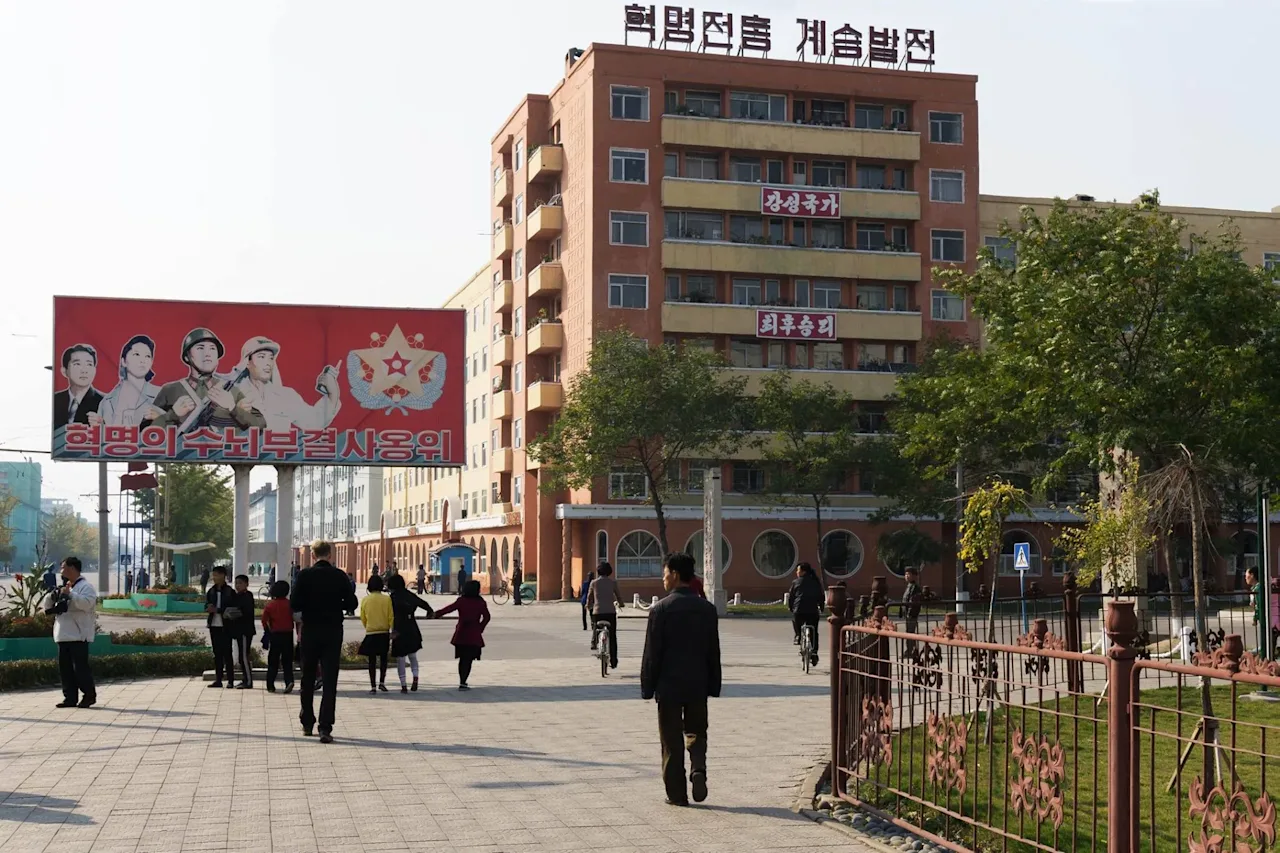
Photo used with permission from Aram Pan (DPRK360).
Originally a fishing village, Chongjin grew into a major port and industrial hub during the 20th century under Japanese rule. Its grid-like streets, factories, and steel mills tell a story of transformation and determination, from its days as "Seishin" (the way the city's name 清津 is read in Japanese) to the postwar reconstruction that shaped the city we see today. The city retains its importance in military and heavy industry while also hosting Chinese and Russian consulates, reflecting its role in international trade.
Getting to Chongjin
Getting to Chongjin requires a bit of planning. The fastest route from Pyongyang is by flight to Orang Airport (RGO), about 40 km from the city center. Overland travelers can reach Chongjin from China via the border cities and towns of Rason, Hoeryong, or Namyang. Road travel from Pyongyang takes approximately three days due to road conditions, while train travel is considerably slower.
What to See in Chongjin
Kim Chaek No. 1 Iron and Steel Complex The massive steelworks dominate the skyline, producing around six million tons of steel annually. Originally built during the Japanese colonial period and expanded under Kim Il Sung, it remains central to North Korea’s industrial output.
Chongjin Port The city's two ports are vital for regional shipping, connecting Chongjin to Russia, Japan, and other Northeast Asian destinations. The seamen’s club here offers a unique glimpse into the maritime life of the city.
Pohang Square A central gathering spot, featuring imposing bronze statues of the DPRK's leaders.
Chongjin Revolutionary Museum & Cultural Sites Discover local history, from revolutionary achievements to the city's role in regional development. Other notable cultural spots include the North Hamgyong Province Theater and the Grand People's Study House.
Public Transit & City Life Chongjin is one of the few cities outside Pyongyang to operate a tram system, though services are limited due to power shortages. Trolleybuses run only a few hours per day, and private taxis are absent, giving visitors a unique perspective on urban mobility in the DPRK.
Nearby Excursions
Kyongsong Hot Spa & Town Just 35 km southwest of Chongjin, Kyongsong offers relaxing hot spa facilities alongside historic attractions like Kyongsong Town Fort and Jongbuk Temple. The area is known for its ceramics and natural hot springs.
Mount Chilbo One of Korea’s five celebrated mountains, Chilbo is famous for its striking rock formations and legendary stories. It’s a scenic retreat perfect for hikers and photographers.
Revolutionary Sites – Yombun & Jipsam Learn about the revolutionary history of the region, including visits by Kim Il Sung and Kim Jong Il. These sites preserve moments of leadership guidance and historical significance, offering an immersive educational experience.
Accommodation
Chongjin Hotel A city landmark featuring a sauna and on-site brewery—ideal for those wanting comfort and local hospitality.
Kyongsong Tourist Hotel Known for its seafood and hot spa water provided in every room, this hotel combines traditional luxury with the benefits of nearby therapeutic springs.