Guides
Guides
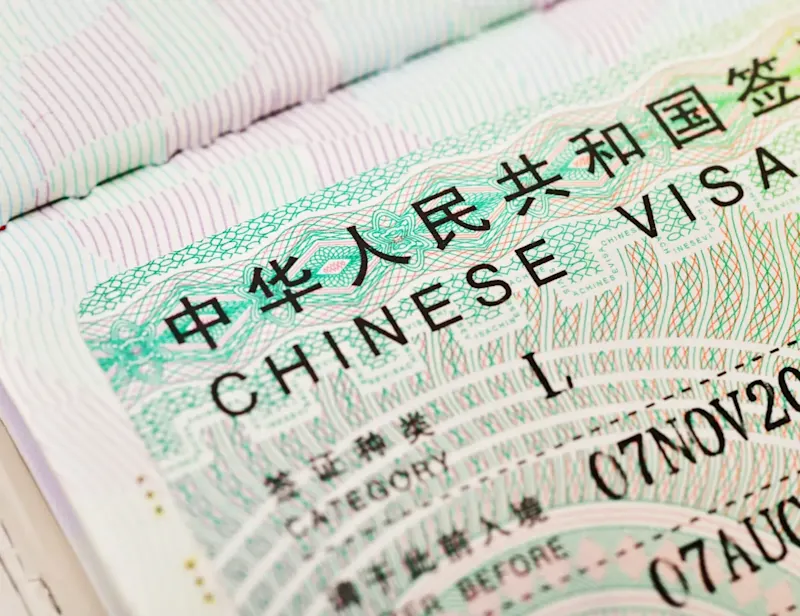
Information on visa-free entry, visa requirements, and transit policies for the China.
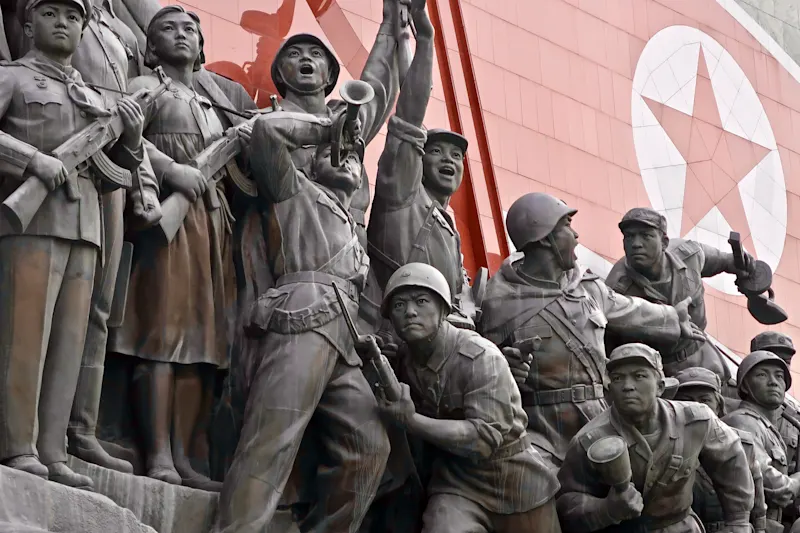
Planning a trip to the DPRK (North Korea)? Our FAQ covers everything from visas and flights to safety and group tours.
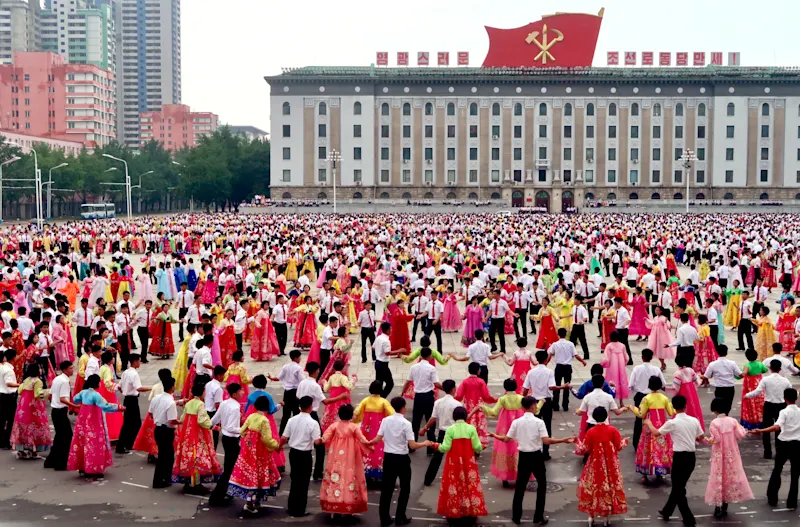
Is it safe to travel to North Korea? At Taedong Tours, safety is our top priority. Learn how we keep travelers informed, prepared, and protected on every DPRK tour.
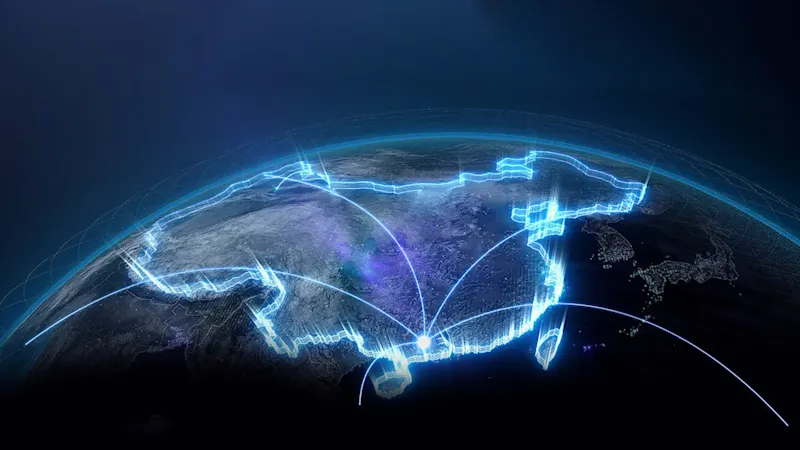
China's digital ecosystem is different from most of the world. Learn how to prepare your devices so everything works smoothly once you land.
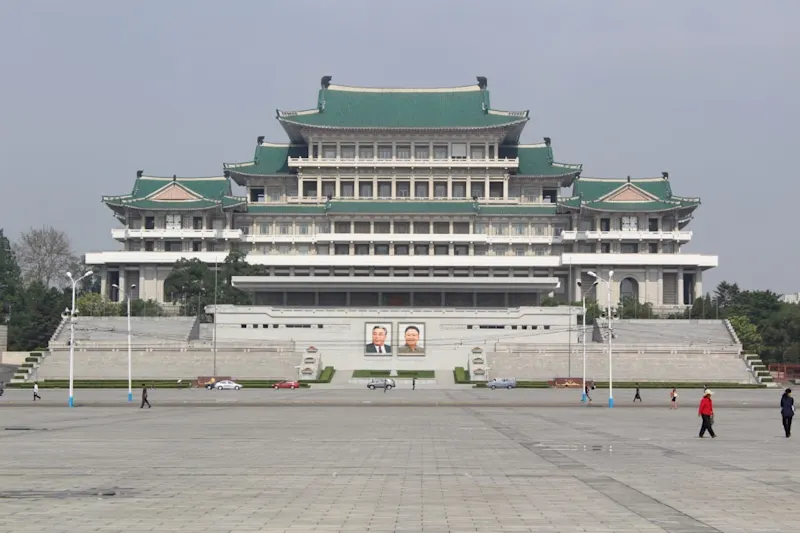
Overlooking Kim Il Sung Square, the Grand People's Study House is the DPRK's national library and a key center for education, culture, and Juche thought.
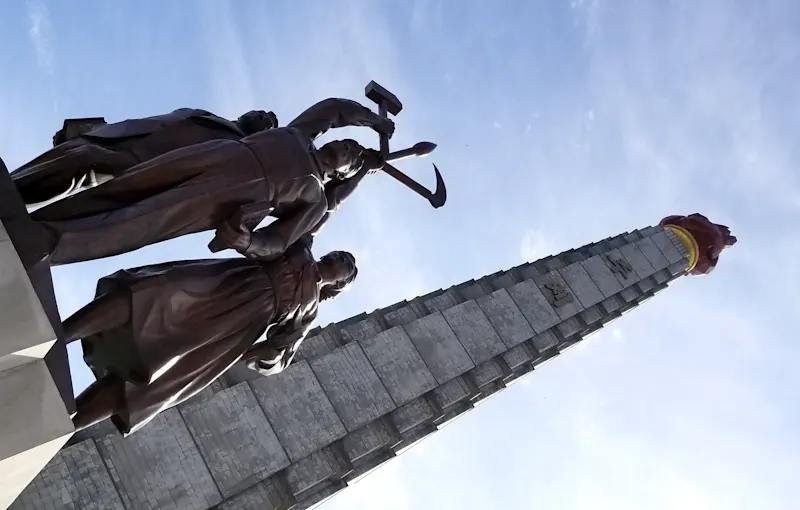
Overlooking the Taedong River, the Tower of the Juche Idea was built in 1982 to honor President Kim Il Sung and the DPRK’s official state ideology: the Juche Idea.
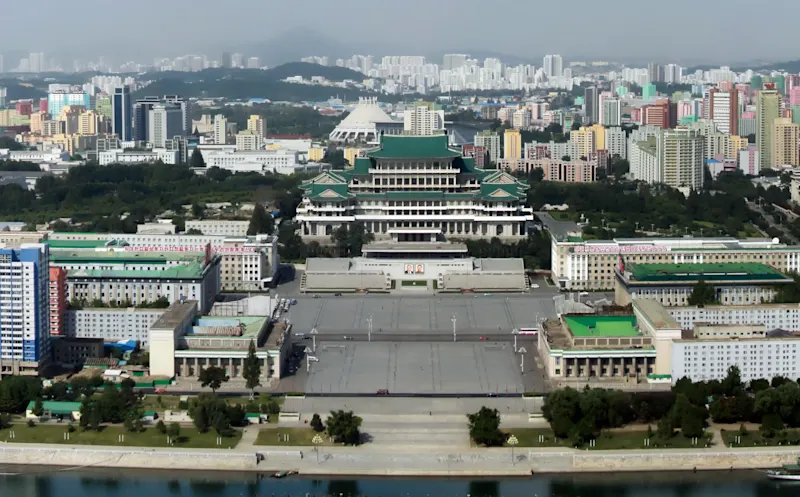
Kim Il Sung Square, on the west bank of the Taedong River, is the heart of Pyongyang's public life and one of the most recognized sites in the DPRK (North Korea).
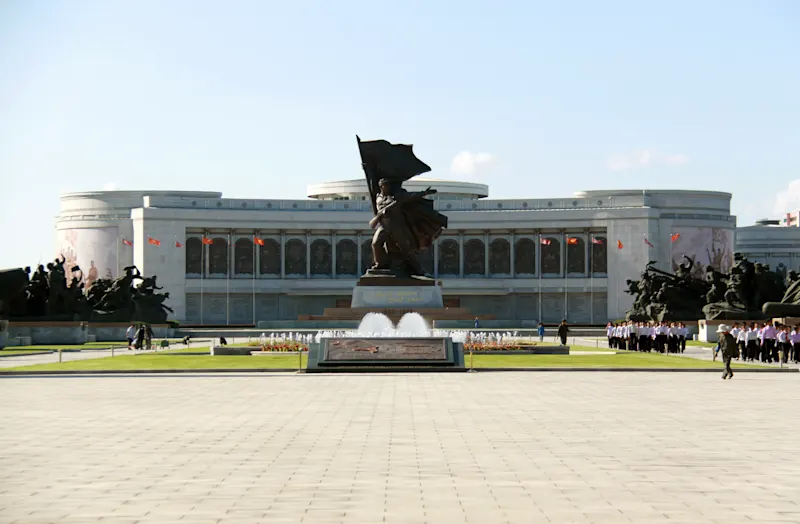
The Victorious Fatherland Liberation War Museum presents the DPRK's view of the Korean War, highlighting themes of heroism, resistance, and national pride.
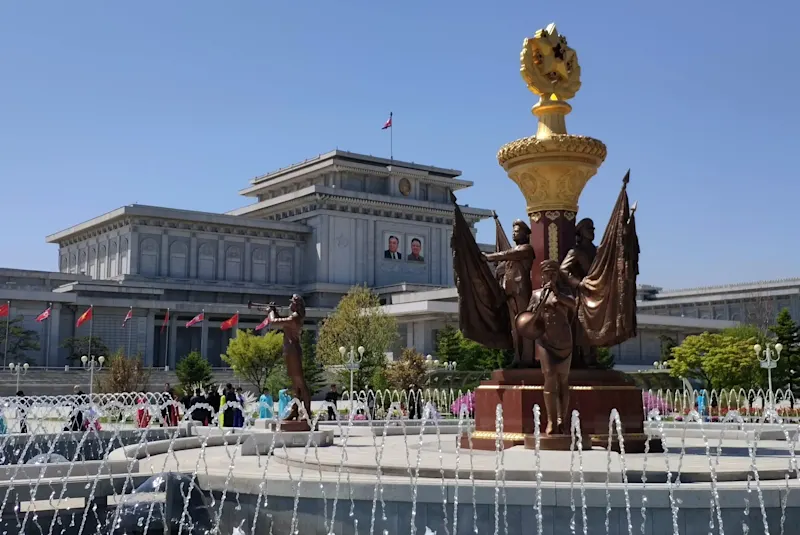
The Kumsusan Palace of the Sun is the DPRK’s most sacred site, serving as the final resting place of President Kim Il Sung and General Kim Jong Il in Pyongyang.
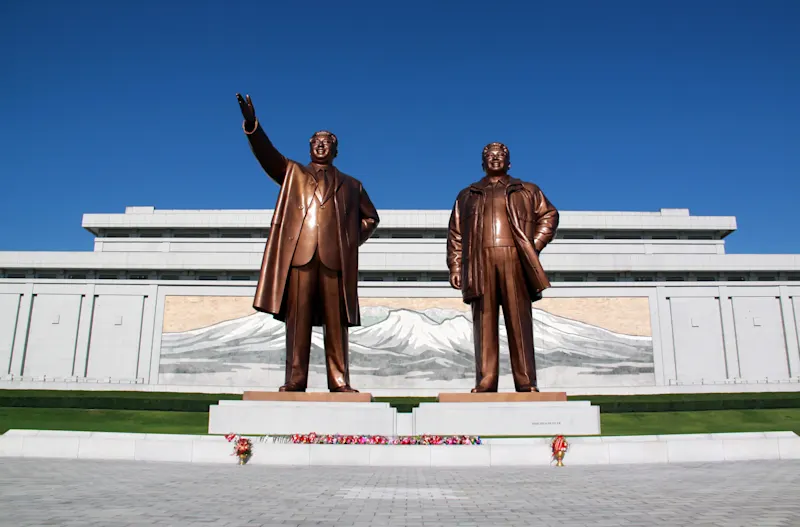
Standing atop Mansu Hill, the Mansudae Grand Monument features towering statues of the leaders and serves as a key site of reverence and revolutionary pride in the DPRK.
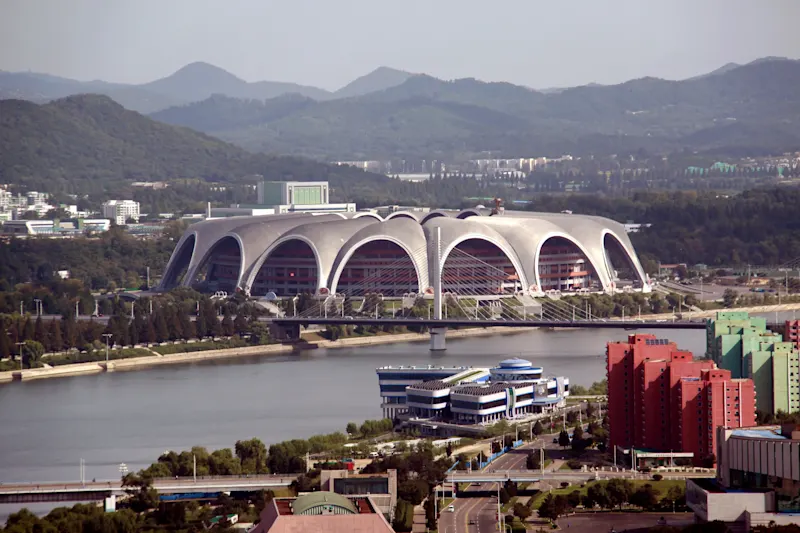
The May Day Stadium on Rungra Island symbolizes DPRK's commitment to sport and unity. Opened May 1, 1989, it hosts major spectacles like the Mass Games.
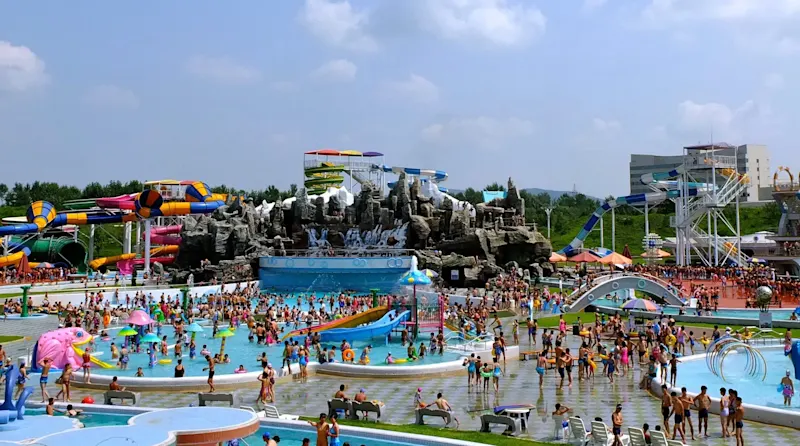
The Munsu Water Park is a modern recreational complex spanning 15+ hectares where Pyongyang residents have fun and relax. It is a great place to intermingle with locals.
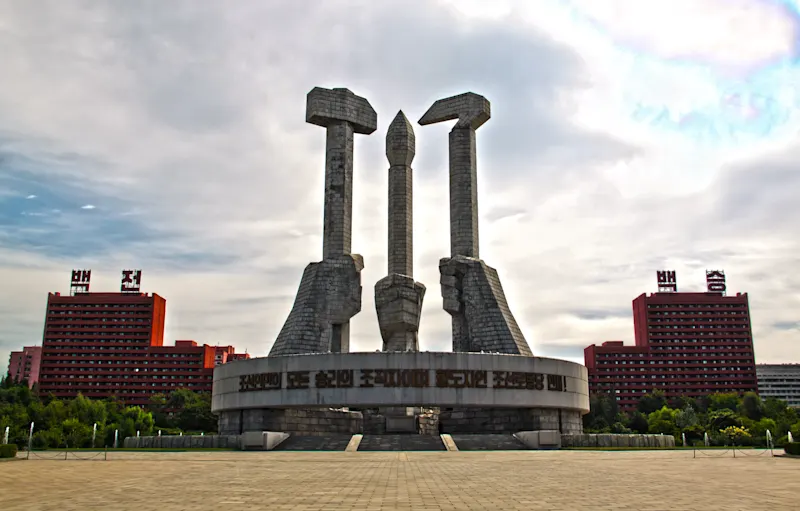
Built in 1995 for the WPK’s 50th anniversary, the Monument to the Party Founding is an iconic Pyongyang landmark that honors Korea's revolutionary unity.
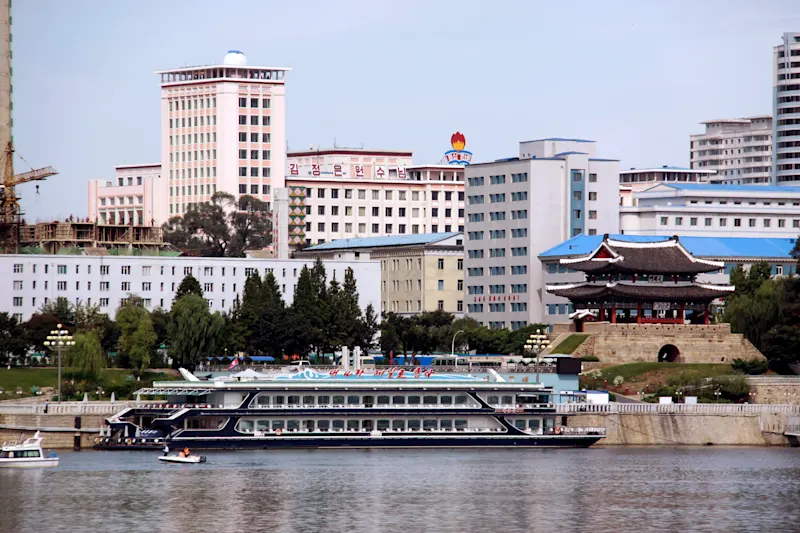
Once Goguryeo's capital, now the heart of the DPRK. Experience tradition blended with a modern socialist vision and a spirit of self-reliance.
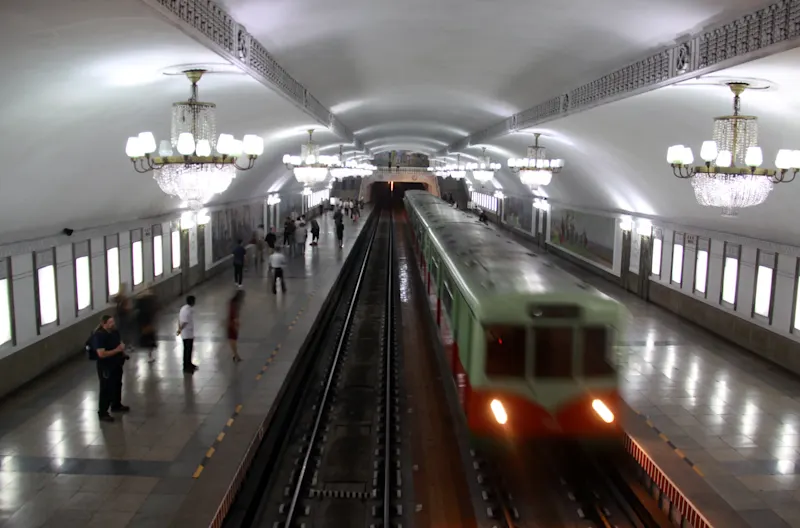
The Pyongyang Metro uniquely serves as transportation in addition to a bomb shelter and art showcase. Riding it offers visitors a look into daily life in the capital.
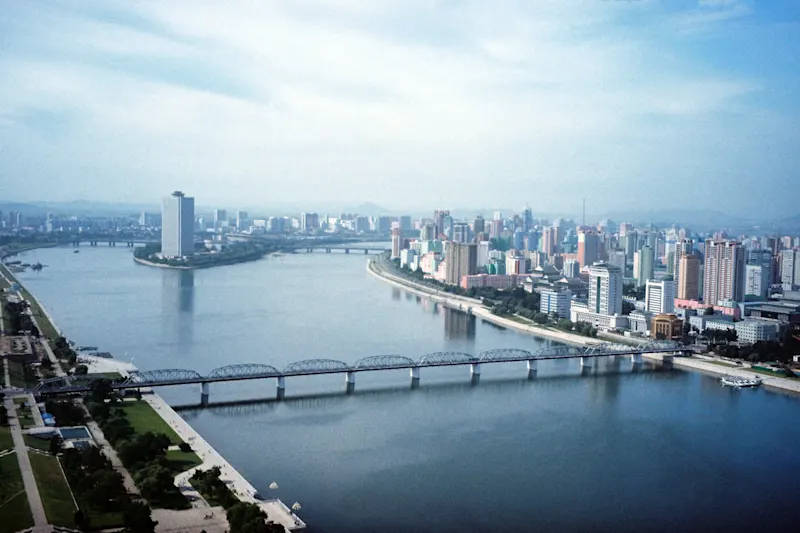
The Taedong River cuts through the heart of Pyongyang, shaping its skyline, fueling its history, and bringing the capital to life, then and now.
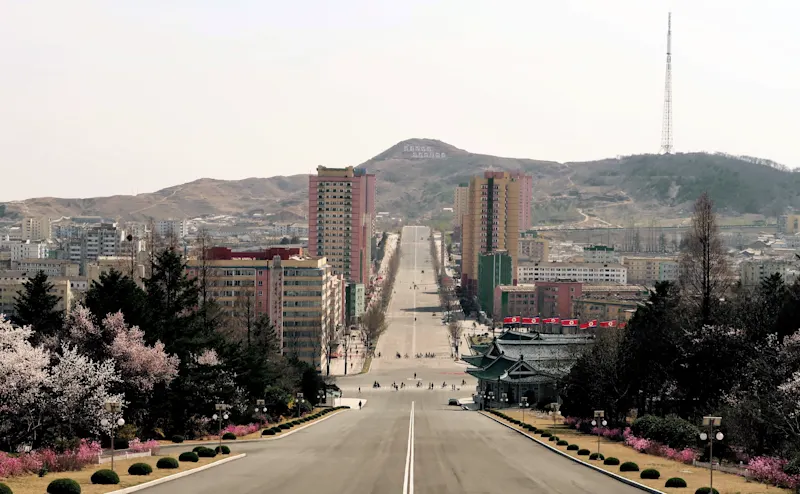
Former capital of Taebong and Koryo, Kaesong is the DPRK's best-preserved historic city and is famed for intact old quarters and prized red ginseng.
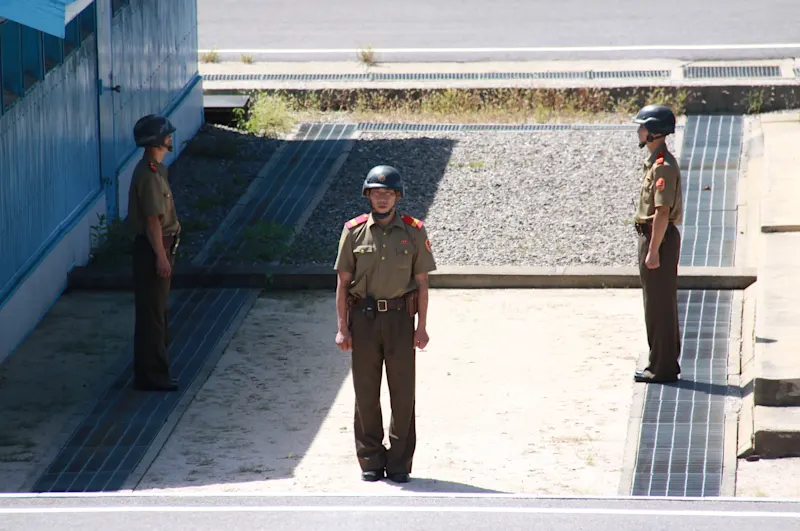
The JSA, towering flagpoles, blue conference halls, and the Concrete Wall reveal the symbols and realities of Korea's continnued division.
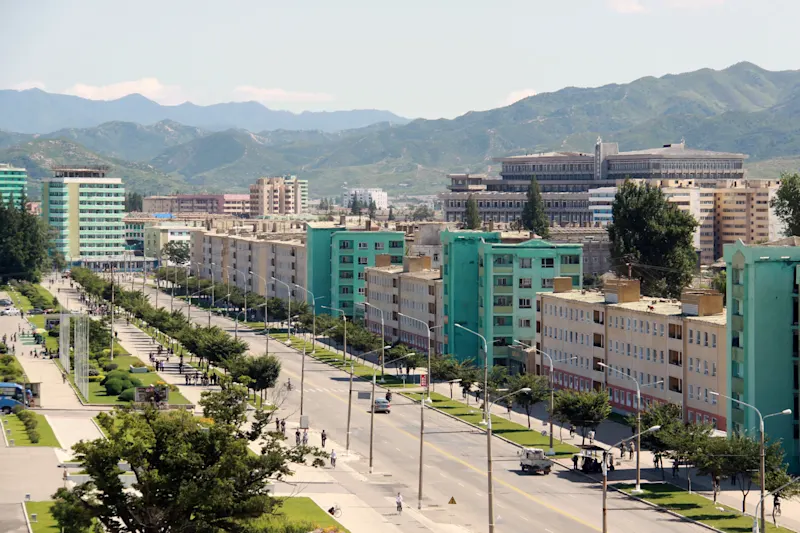
East coast industrial center, the DPRK's second-largest city, famed for historic sites, postwar reconstruction, and cold noodles that rival Pyongyang's.
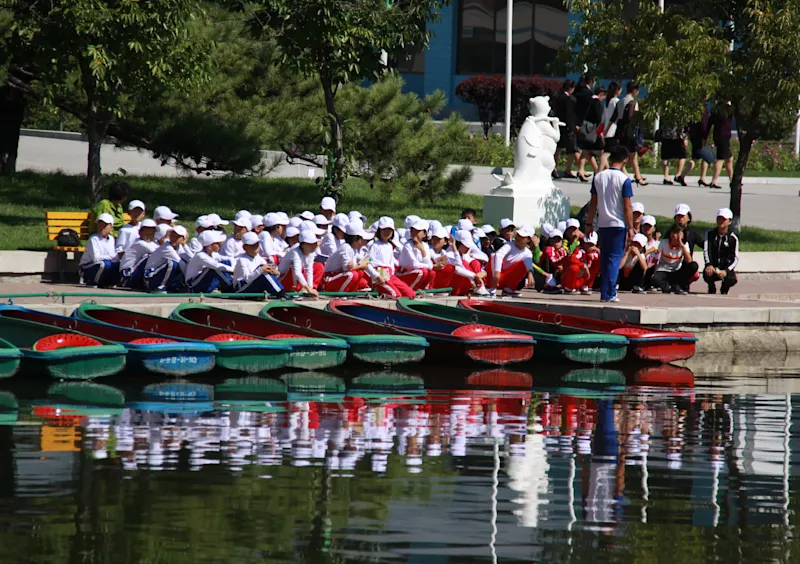
A very unique children's camp near Wonsan with swimming, sports, arts, and cultural exchange programs for both Korean and international kids.
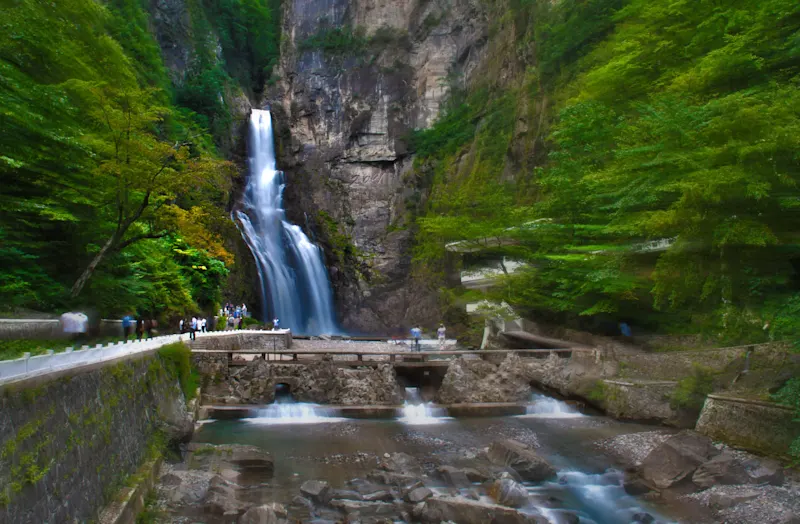
Hidden valley waterfall near Wonsan, known for its echoing roar and lively social gatherings on weekends and holidays.
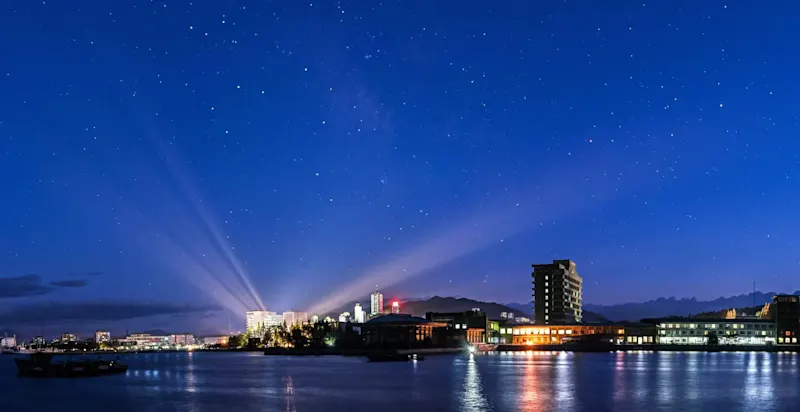
Kangwon's scenic capital, a favorite destination for domestic and foreign travelers alike, located between the Masikryong Mountains and East Sea of Korea.
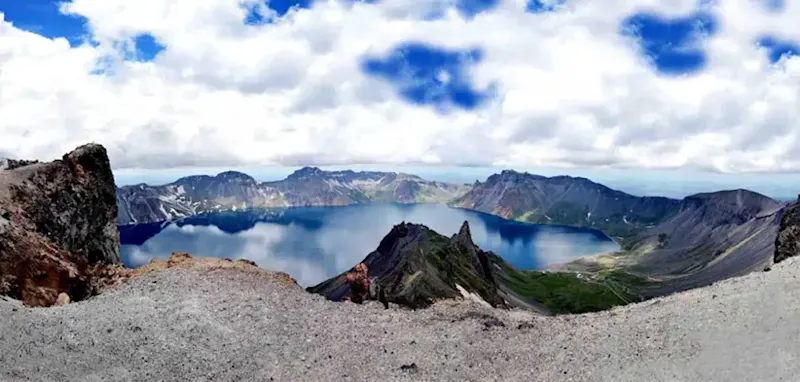
Korea's sacred volcanic peak crowned by Heaven Lake. Legendary birthplace of the nation, now divided between secluded DPRK access and tourist-heavy Chinese slopes.
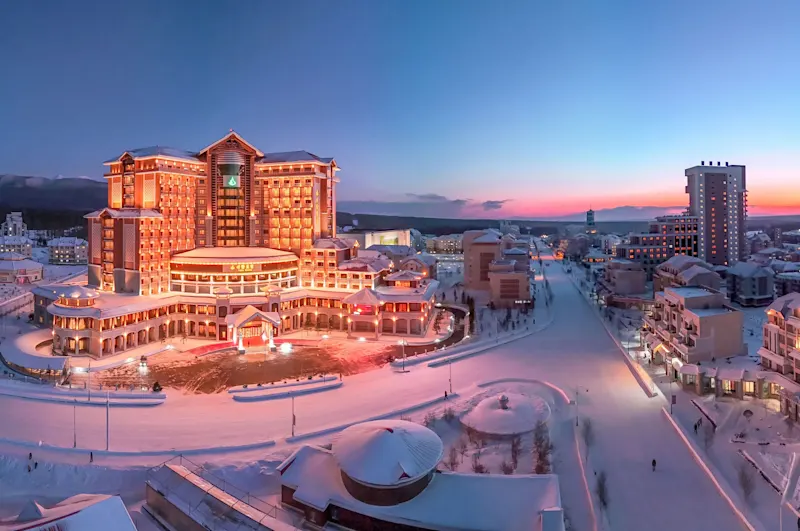
Highland gateway to Mt. Paektu, a quiet modern town surrounded by volcanic lakes and forests, with landmarks tied to Korea's anti-Japanese struggle.
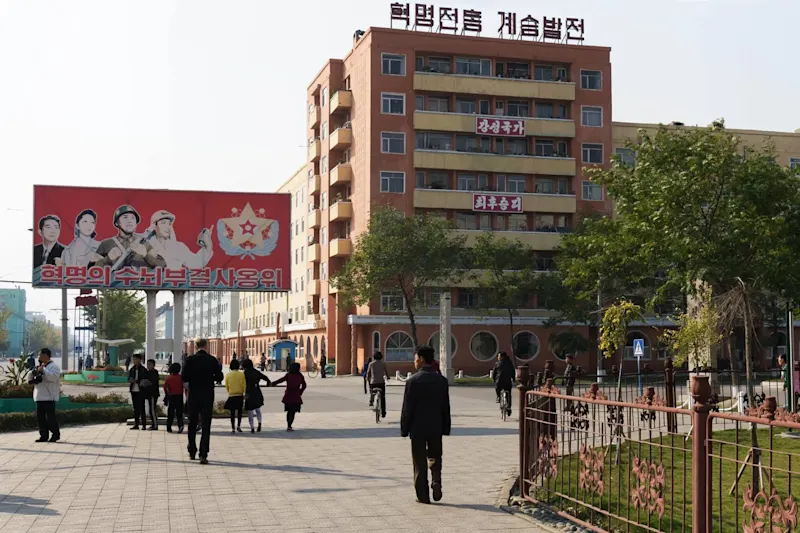
The "City of Steel," an important industrial and port hub on Korea's northeastern coast far from the usual tourist trail.
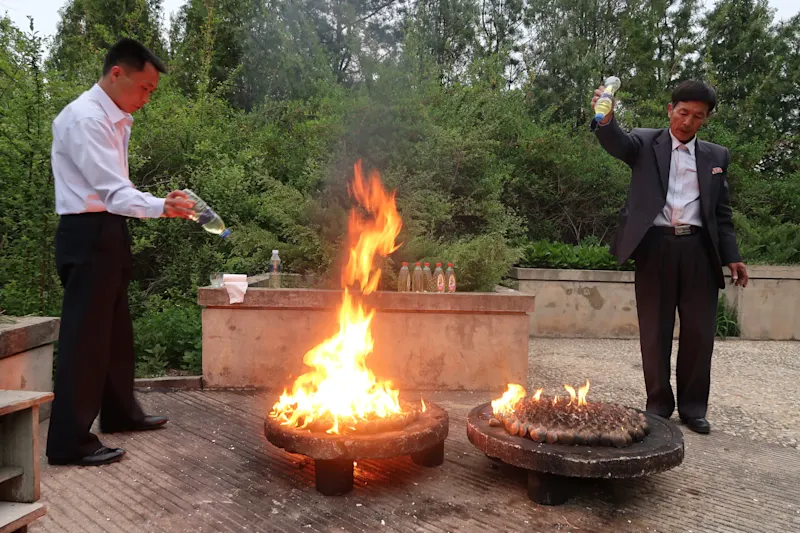
Gas clams (petrol clams), a west coast specialty found in Nampo, offer fiery hands-on cooking. It is a favorite experience for locals and visitors in the DPRK.
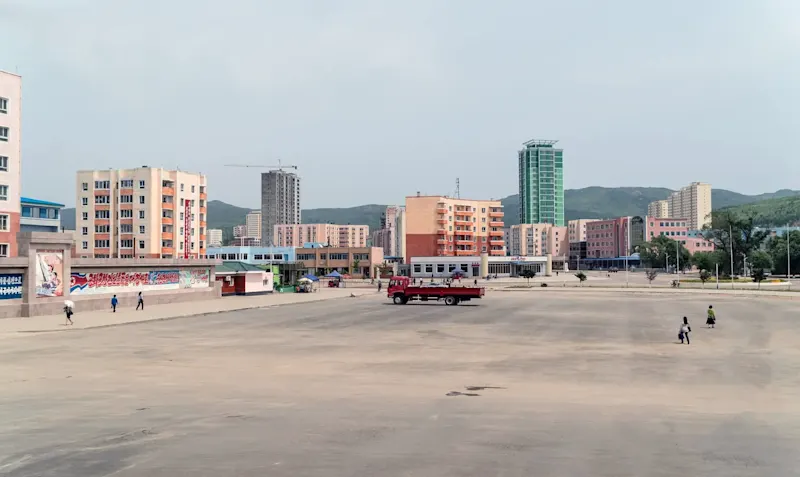
The DPRK's first Special Economic Zone, bordering China and Russia. An economic testing ground where new ideas debut and a distinct atmosphere awaits.