Hamhung
East coast industrial center, the DPRK's second-largest city, famed for historic sites, postwar reconstruction, and cold noodles that rival Pyongyang's.
Guide Content
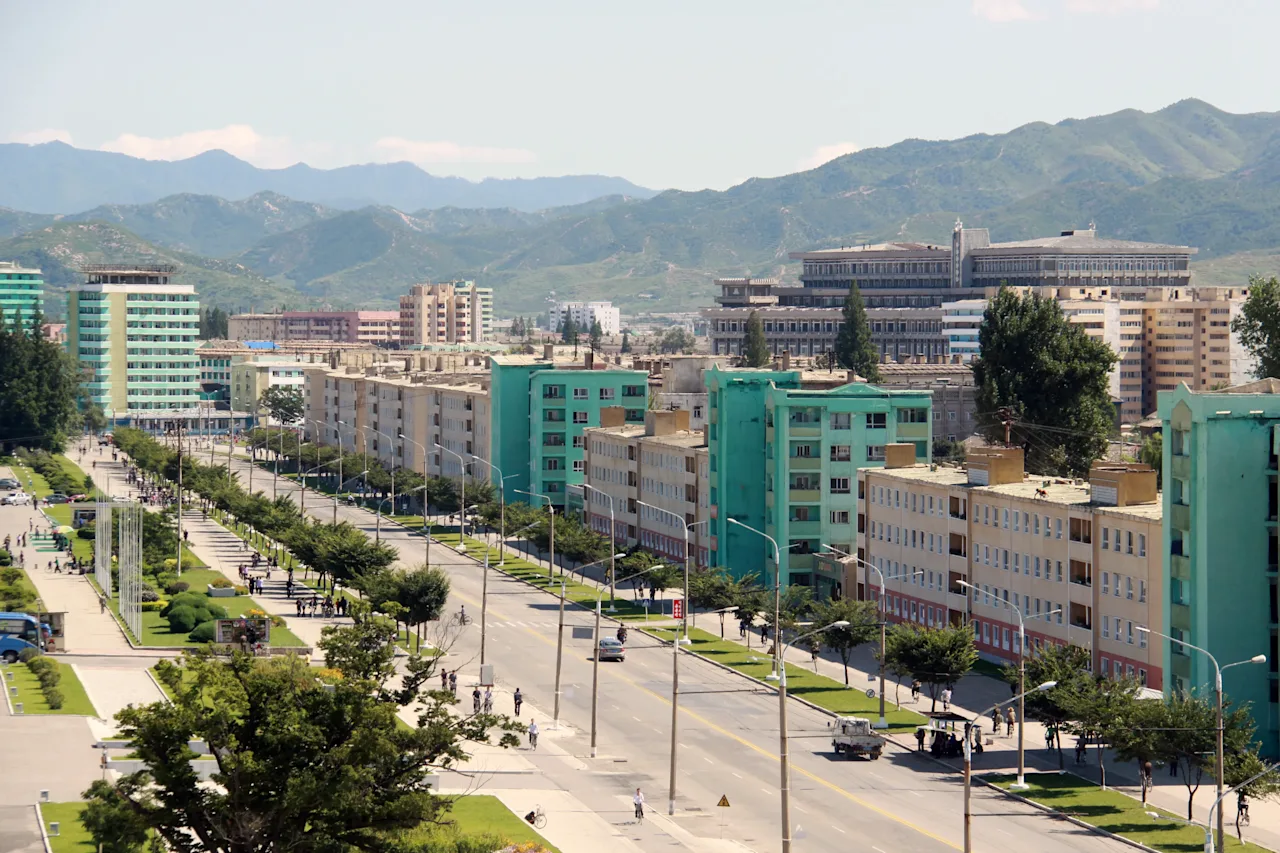
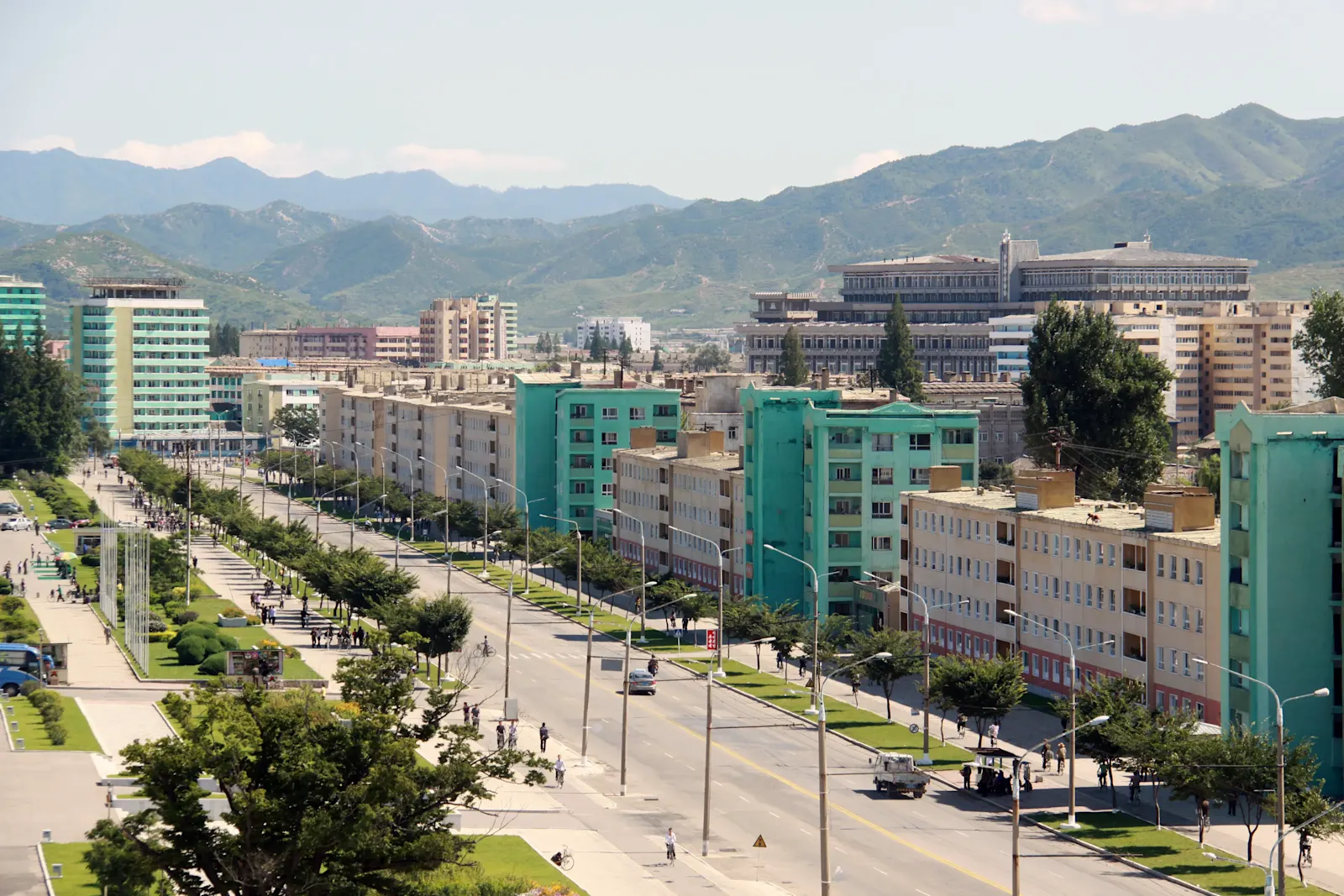
Hamhung (함흥/咸興) is the DPRK's second largest city and the capital of South Hamgyong Province (함경남도/咸鏡南道). With close to 800,000 residents, it is an important industrial hub on the country's east coast, paired with its port district of Hungnam. Only opened to foreign visitors in 2010, Hamhung offers a rare glimpse of both Korea's dynastic history and its socialist reconstruction.
Background
Hamhung traces its importance back to the Koryo dynasty (918–1392), when fortifications and pavilions were built on nearby Mt. Tonghung. In the late 14th century, it became closely associated with Ri Song Gye (리성계/李成桂), the general who founded the Joseon dynasty in 1392. His residence on the outskirts of Hamhung remains a cultural landmark, linking the city to one of Korea's defining dynastic shifts.
In modern times, Hamhung became an industrial hub under Japanese colonial rule. Factories for fertilizer, chemicals, and textiles laid the foundations of the city's economic role. This legacy was violently interrupted during the Korean War, when aerial bombardments reduced much of Hamhung to rubble. Between 1955 and 1962, East Germany undertook a massive reconstruction project here, sending architects, engineers, and planners to help rebuild the city practically from scratch. Many of Hamhung's broad boulevards and planned districts date to this period.
Today, Hamhung is known as a center of chemical production, home to the vast Hungnam Fertilizer Complex and the birthplace of vinylon, or Juche Fiber, a synthetic fiber developed by Koreans. Beyond industry, the city is a living museum of Korean history, balancing its dynastic heritage with its role in the socialist reconstruction of the DPRK.
Getting to Hamhung
Travel to Hamhung offers a journey across contrasting Korean landscapes. From Pyongyang, the drive eastward takes seven to eight hours, crossing mountains and plains as the road cuts across the spine of the peninsula. The long route is an opportunity to pass through small towns and rural areas rarely glimpsed by outsiders, offering a sense of the country's interior away from the capital.
From Wonsan, the journey is shorter—about three hours northward. Instead of following the coastline, the road runs inland, past farmlands and rivers that flow toward the East Sea of Korea (known outside of Korea as the Sea of Japan).
Beyond the city itself, Hamhung serves as the staging point for excursions into the Pujon Highlands, three to four hours further northeast. The road climbs into rugged mountain country, where guerrilla fighters once sheltered during the anti-Japanese struggle. These routes are only reliably open in summer, when the rains subside and mountain passes can be traversed safely.
Hamhung Cold Noodles
No visit to Hamhung is complete without trying the city's signature dish: Hamhung Raengmyeon (함흥랭면/咸興冷麵), or Hamhung Cold Noodles. While Pyongyang Cold Noodles, with its buckwheat noodles in icy meat broth, is the DPRK's most famous cold noodle dish, Hamhung has its own equally storied variant.
Hamhung Cold Noodles features thin, chewy noodles made from a mixture of buckwheat and potato starch, often so chewy that scissors are provided to cut them at the table. Instead of a meat broth, they are typically served with a sweet-and-spicy red pepper sauce, topped with slices of cucumber and beef brisket. Unlike their Pyongyang cousins, they are not a dish of summer coolness but were originally created as a hearty, fiery meal to combat the biting winters of the northeast coast.
Today, Korean restaurants across the world serve this dish originating from Hamhung, though many list it as bibim-naengmyeon (비빔냉면/비빔冷麵) rather than Hamhung Raengmyeon. Chances are, you may already have had a taste of Hamhung's heritage without even realizing it!
What to See
- Mt. Tonghung and Historic Pavilions – A low but prominent hill overlooking the city, Mt. Tonghung (319m) hosts centuries-old landmarks such as Kumchon Pavilion, once a military command post; Sonhwa Hall, a provincial office of the Joseon era; and remnants of the medieval Hamhung Wall. Together, they reflect the city's long-standing role as a regional seat of authority.
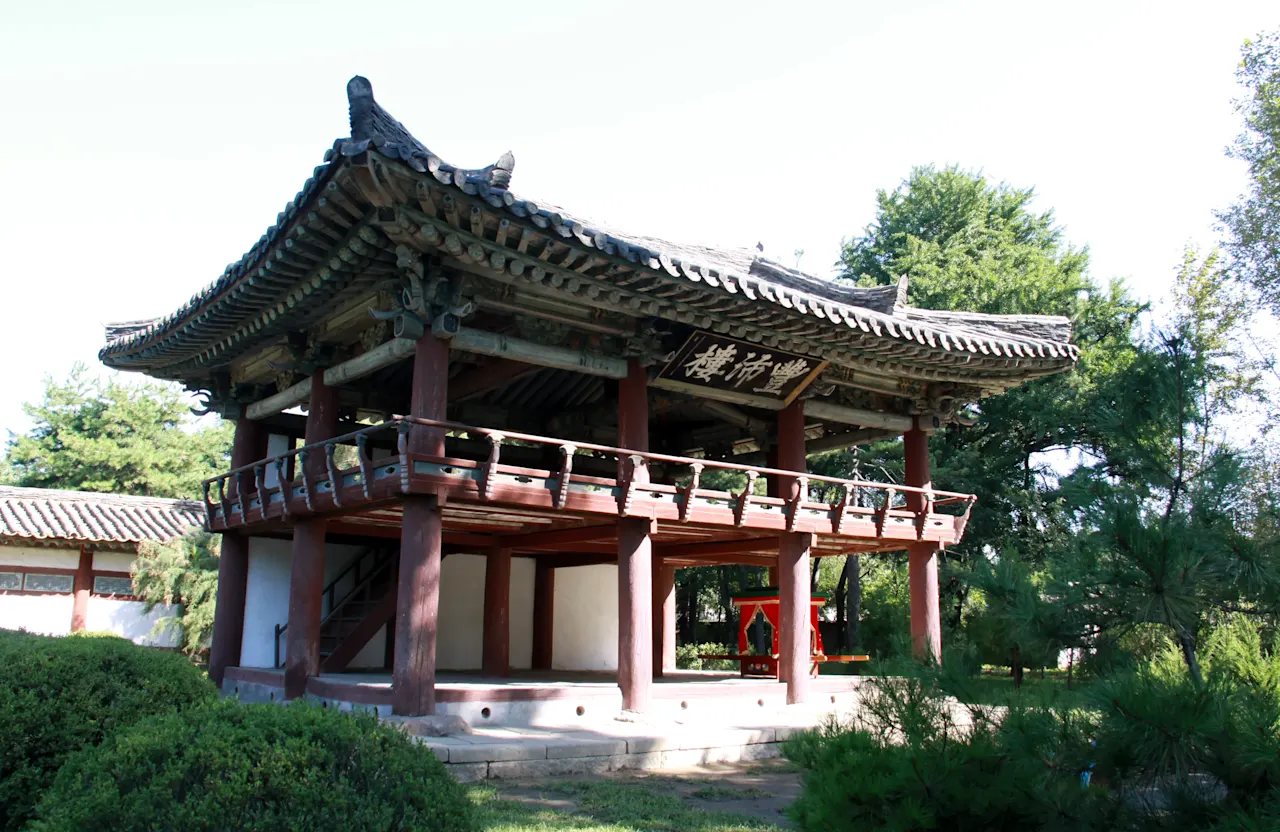
- Home of Ri Song Gye – The residence of the Joseon Dynasty's founder, later rebuilt after fires and wars, preserves the layout and atmosphere of early Joseon aristocratic life. Its surviving pavilions and halls highlight Hamhung's dynastic significance.
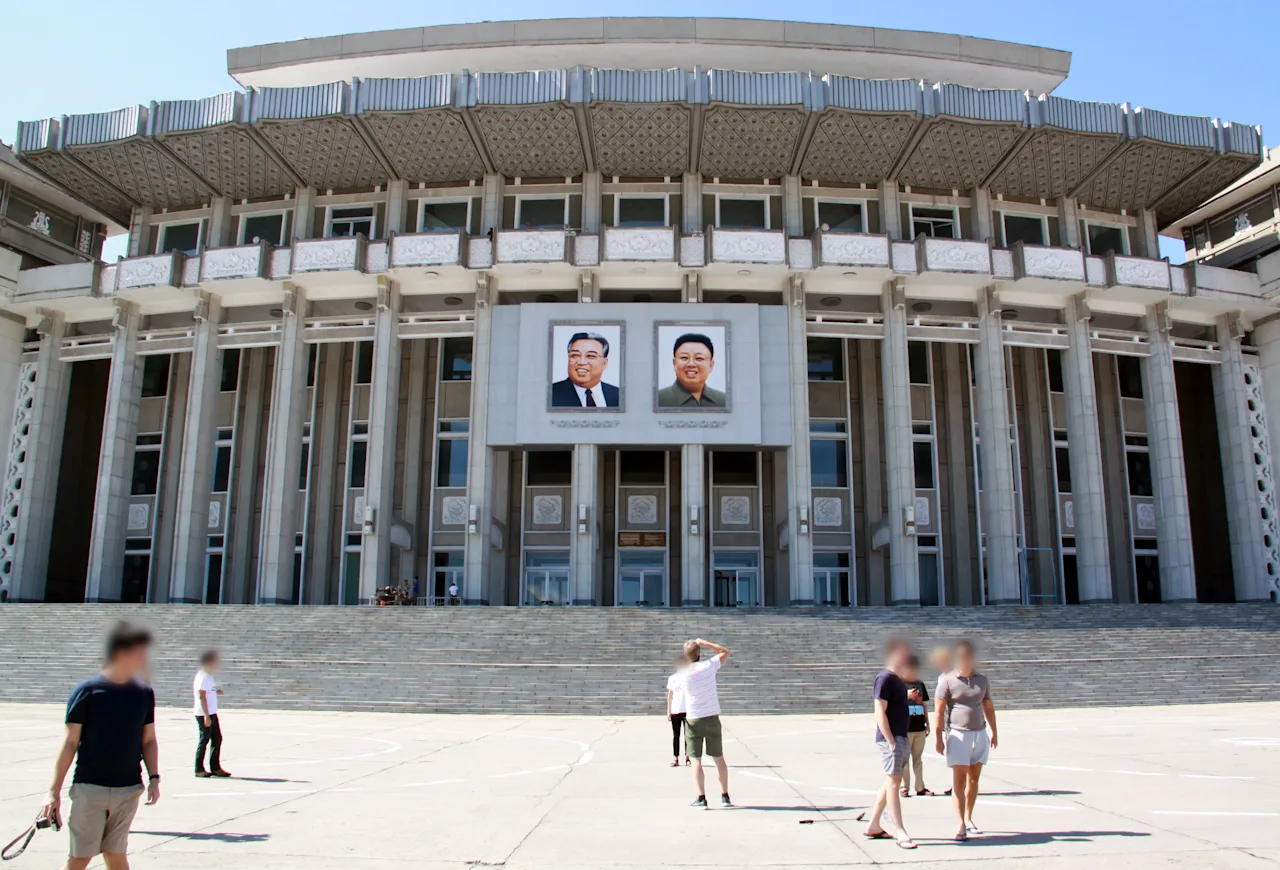
- Hamhung Grand Theater – Opened in 1984, this vast cultural complex with hundreds of rooms stands as the largest theater building in the DPRK, symbolizing Hamhung’s postwar revival as a cultural center.
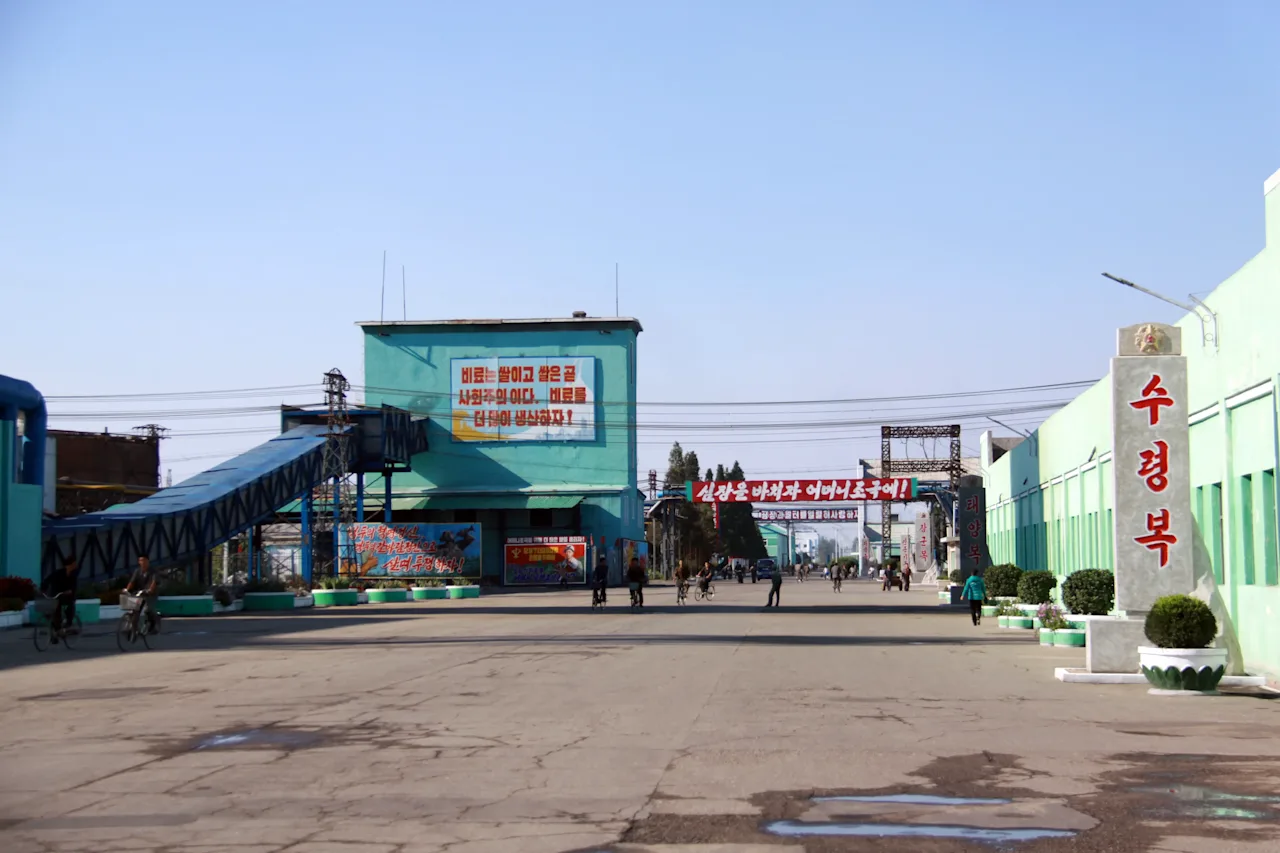
- Hungnam Fertilizer Complex – Founded in 1927 and rebuilt after the Korean War, the complex is the largest of its kind in the country. For visitors, it offers a rare glimpse into DPRK industry, with guided tours led by plant managers.
- Tongbong Cooperative Farm – A model socialist village where travelers can see collective farming in practice, visit kindergartens, and step inside a farmer's home.
- Majon Beach – South of Hamhung, this 25-kilometer stretch of white sand is one of the DPRK's most inviting seaside destinations, complete with rest homes, lodges, and space for swimming or beachside barbecues.
- Pujon Highlands and the River of Rocks – High mountain country north of the city, once used as a base by guerrilla fighters. Its main attraction is the "River of Rocks," a natural formation of boulders stretching like a frozen torrent down the slopes of Mt. Okryon.
Accommodations
Visitors to Hamhung can stay in several facilities catering to foreigners:
- Majon Deluxe Hotel – Opened in 2009, among the most luxurious hotels in the DPRK, offering modern facilities and over 100 rooms.
- Majon Tourist Lodgings – A cluster of seaside cottages near Majon Beach, popular for travelers looking to combine city touring with relaxation by the sea.
- Sinhungsan Hotel – Located in the city itself, this hotel provides standard and economy rooms, offering convenience for those wishing to stay close to Hamhŭng’s urban center.