Samjiyon
Highland gateway to Mt. Paektu, a quiet modern town surrounded by volcanic lakes and forests, with landmarks tied to Korea's anti-Japanese struggle.
Guide Content
Gateway to Mt. Paektu
Perched at 1,380 meters above sea level in Ryanggang Province (량강도/兩江道), Samjiyon(삼지연/三池淵) is a highland escape that serves as the main base for travelers to Mt. Paektu. Its name, meaning "the three deep lakes," comes from the three ancient pools formed when lava from Mt. Paektu blocked an ancient river, creating a striking natural feature that defines the region.
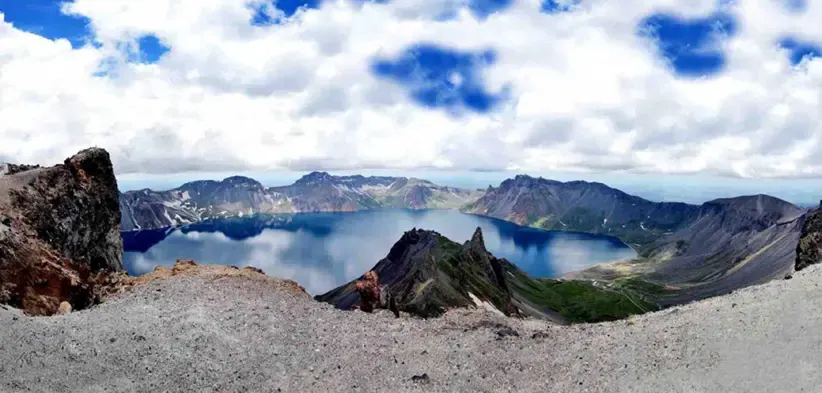
The region is dominated by Mt. Paektu, the highest peak on the Korean Peninsula. Its slopes are covered in dense pine and birch forests, home to bears, deer, and numerous bird species. Streams and rivers fed by melting snow crisscross the valleys, enhancing the natural environment and supporting local ecosystems.
At the summit lies Heaven Lake, a crater lake considered one of Asia's highest alpine lakes. The incline of Paektu is gradual; visitors can ascend most of the mountain by bus and then continue on foot or via the on-site train or funicular to reach the peak. Janggun Peak is the absolute summit at 2,750 meters, often visited by military groups, local families, and students. Korean tradition holds that all Koreans should see Mt. Paektu during their lifetime.
Quick History
Samjiyon has long been associated with the anti-Japanese struggle of the 1930s, with Kim Il Sung conducting revolutionary activities in the area. Established as a town in 1961, Samjiyon has grown into a symbol of revolutionary resilience.
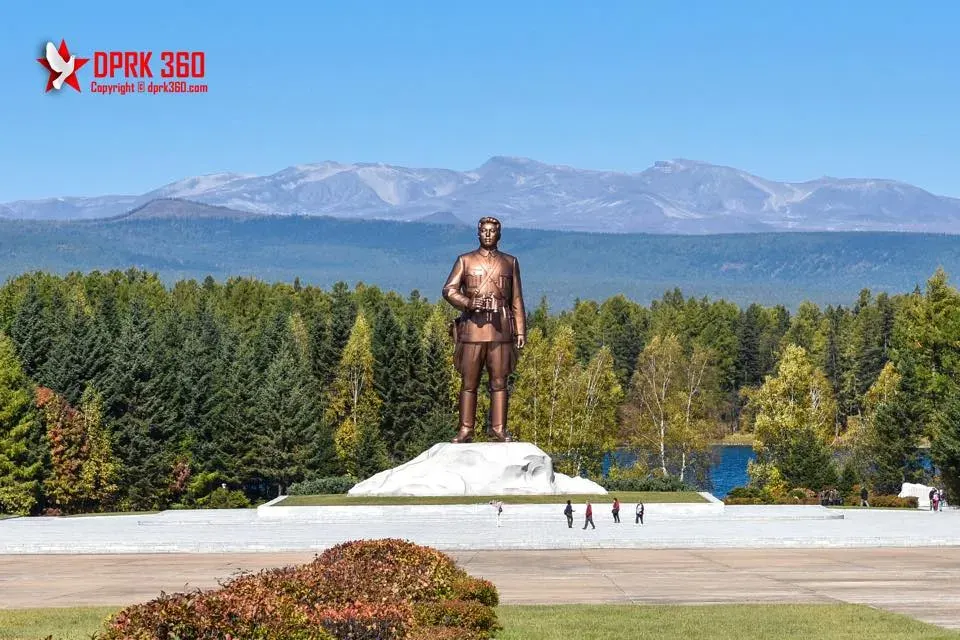
Photo used with permission from Aram Pan (DPRK360).
The Samjiyon Grand Monument is the focal point of the town's historical sites. The monument features a 19.7-meter bronze statue of Kim Il Sung and reliefs depicting scenes from the anti-Japanese guerrilla campaigns. Nearby, the Samjiyon Revolutionary Museum houses materials detailing guerrilla operations and regional revolutionary activity. Guided tours often include these sites, as well as battle sites and former guerrilla camps.
Getting to Samjiyon
To visit Samjiyon, book a tour specifically including Mt. Paektu in its itinerary. These operate exclusively in August or September, covering the charter flight between Pyongyang and Samjiyon. Alternatively, private tours can be arranged to align with the flight schedule.
Accommodation
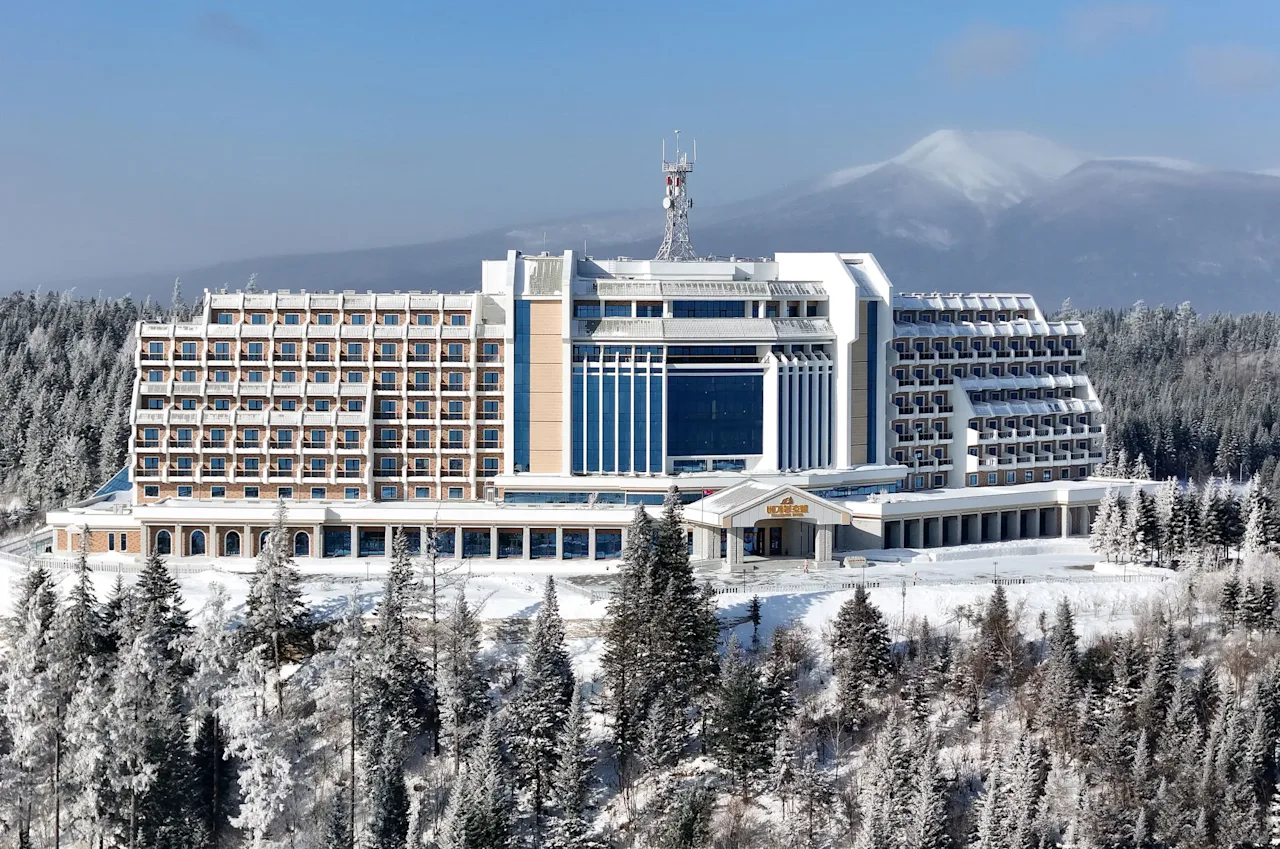
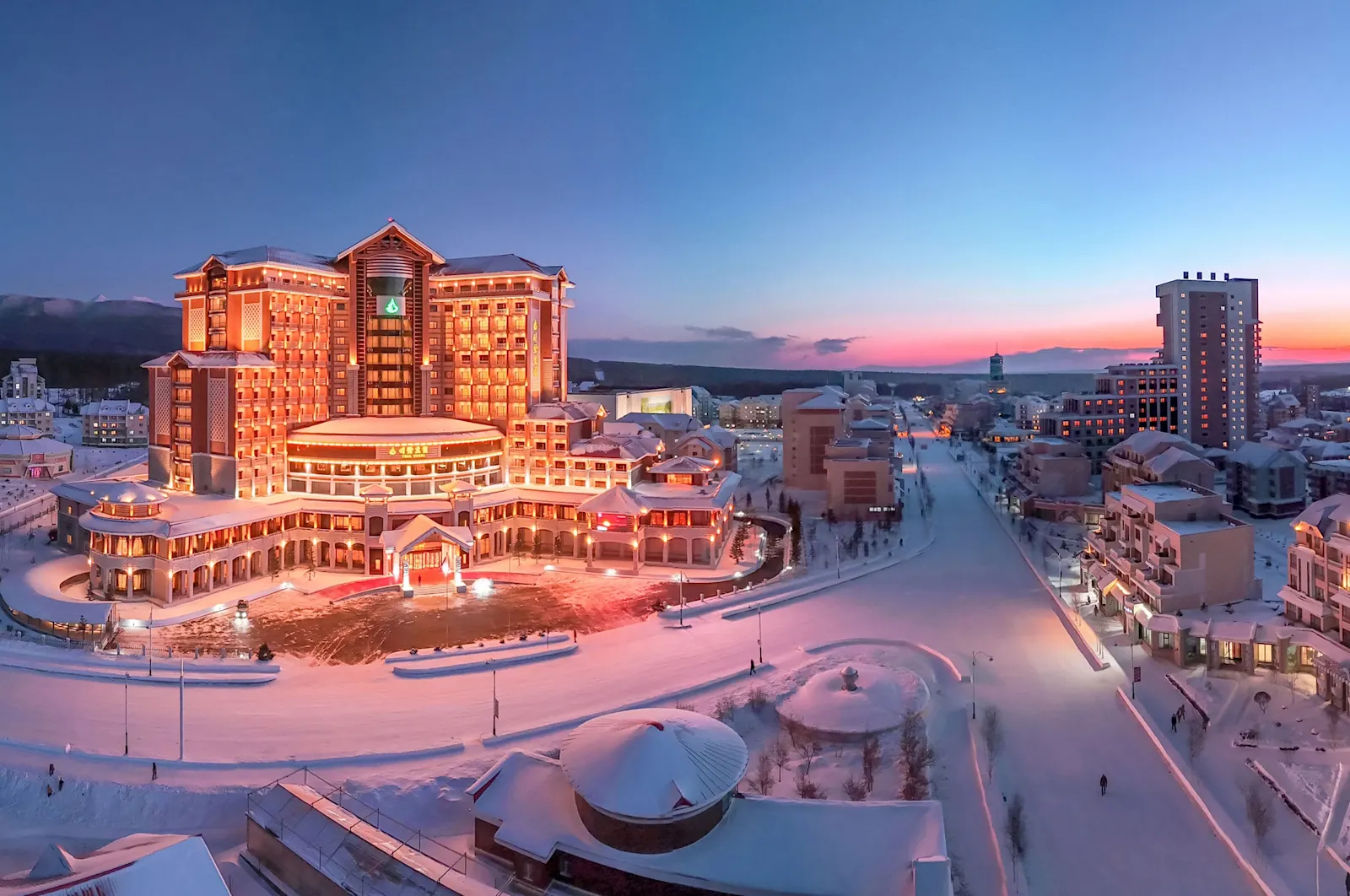
Pegaebong Hotel remains the primary lodging option in the region. Located on the edge of Samjiyon, it offers comfortable rooms, local cuisine, and recreational facilities. Opposite the hotel, Pegaebong (Pegae Hill) has a ski slope formed from Paektu lava. In winter, this hill is used for skiing, and new infrastructure, including ski lifts, has been added in line with recent redevelopment projects. Future plans call for additional ski resorts and recreational facilities in the area.
Skiing and Recreation
The region offers skiing during winter on Pegaebong, with slopes running from the top to the base. Before redevelopment, facilities were minimal, but recent updates have included lifts and ski infrastructure. The area around Samjiyon also provides opportunities for hiking, forest walks, and exploring the volcanic terrain.