
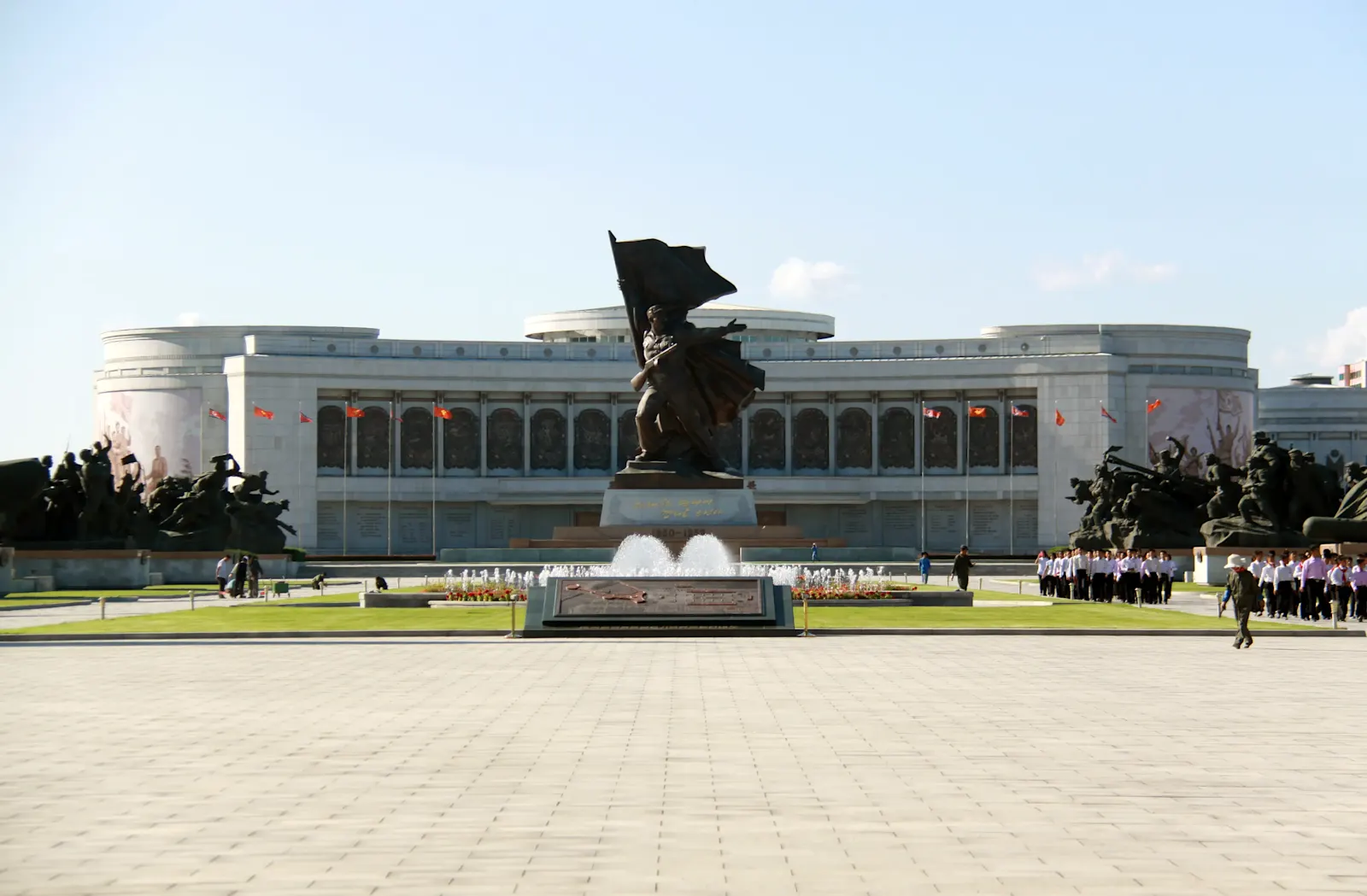
Korean War Museum
The Victorious Fatherland Liberation War Museum presents the DPRK's view of the Korean War, highlighting themes of heroism, resistance, and national pride.
Guide Content
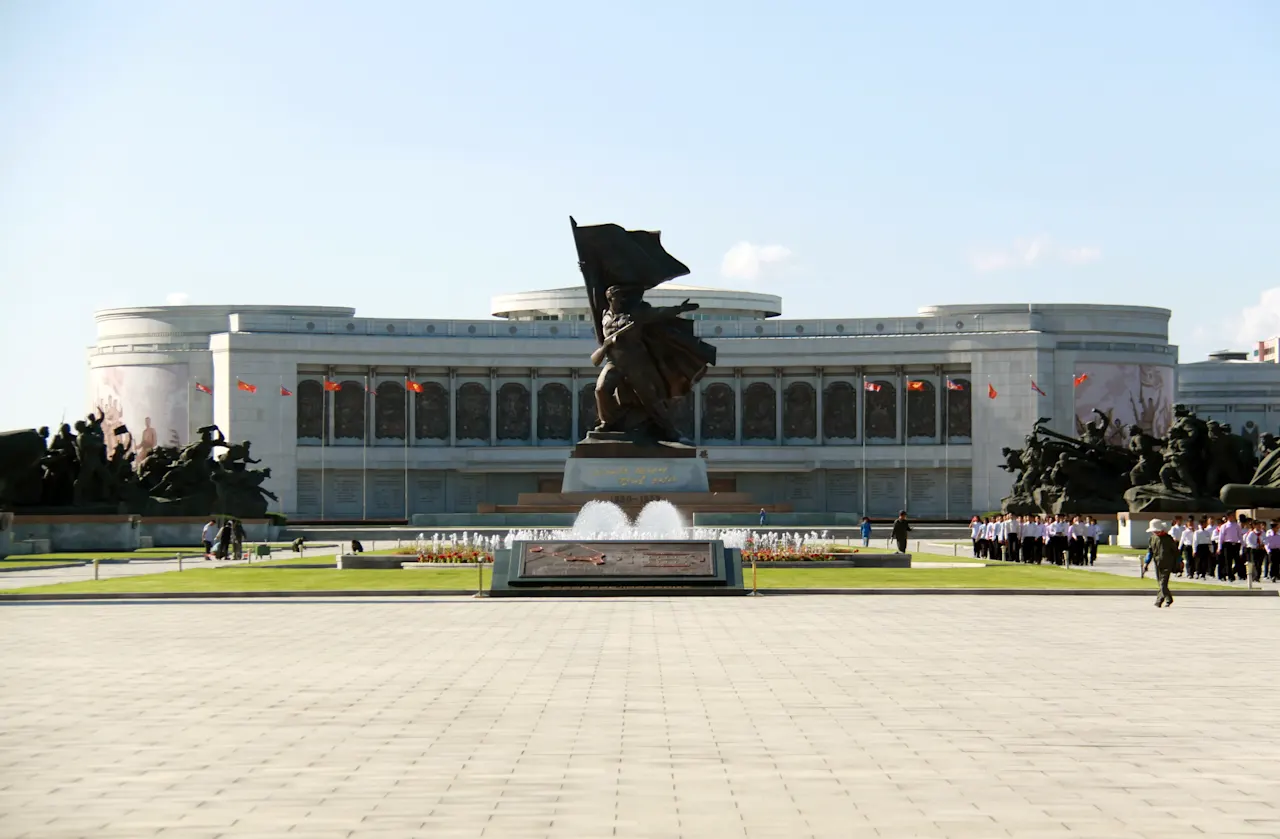
The DPRK's Perspective of the Korean War
The Korean War Museum, officially the Victorious Fatherland Liberation War Museum (조국해방전쟁승리기념관/祖國解放戰爭勝利紀念館) is one of Pyongyang's most immersive and meticulously curated institutions. Dedicated to the DPRK's official account of the Korean War (1950–1953), this expansive complex offers insight into how the conflict is remembered through a lens of heroic resistance, ideological clarity, and enduring patriotism. Highlights include the chance to board the USS Pueblo, view captured American equipment up close, and hear directly from a uniformed guide about the DPRK's perspective on the war.
Background
The Korean War Museum was first established in August 1953, shortly after the Armistice was signed. It originally stood in central Pyongyang, but was relocated a decade later to its current site on the west bank of the Pothong River. In 2013, to mark the 60th anniversary of the Armistice signing, the museum underwent a major renovation. A completely new facility was built next to the original structure, transforming it into one of the most modern and elaborate museums in the country. The original panoramic battlefield display found in the top floor, one of the museum's highlights, was also updated in 2018 for a more immersive experience.
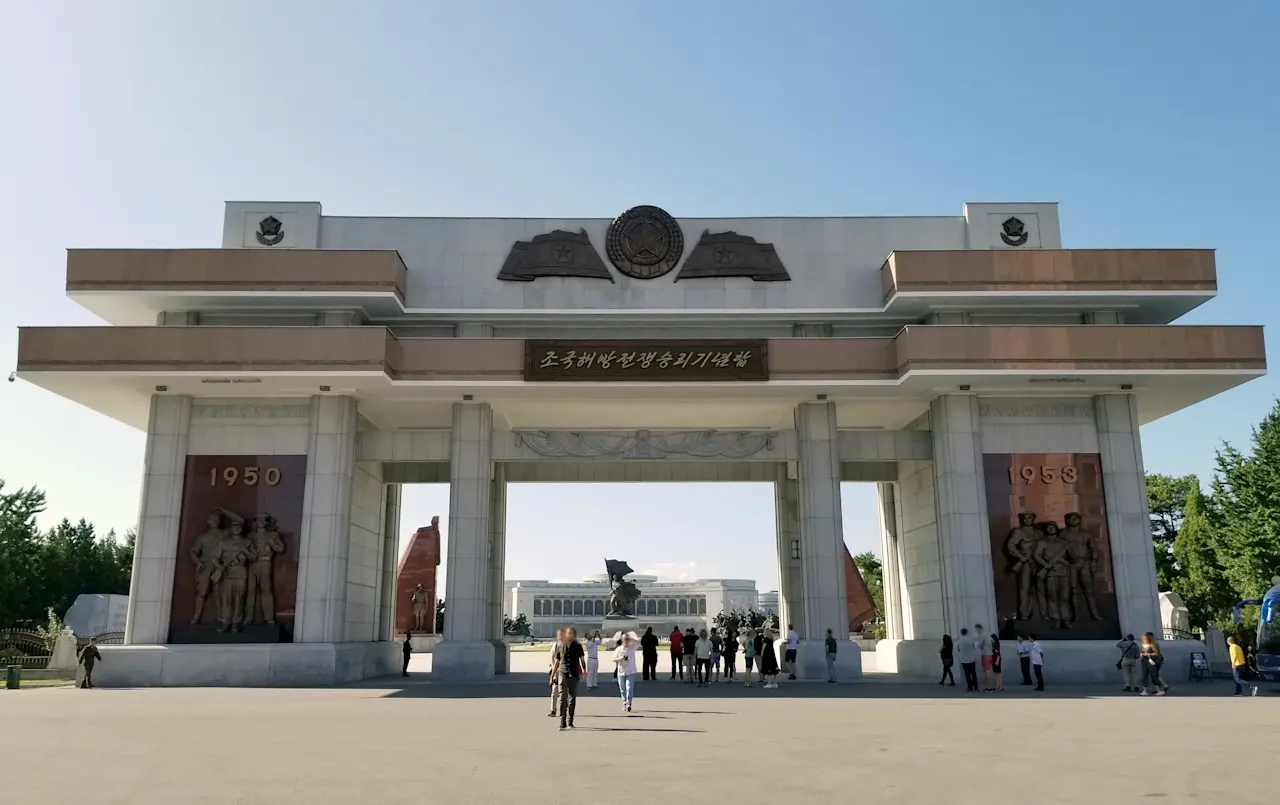
Today, the museum serves not just as a historical site but as a symbol of the DPRK's understanding of the war as a victorious defense of the homeland against U.S. imperialism. For local visitors, it represents a proud chapter of national resilience; for foreign guests, it offers rare insight into how the Korean War is remembered from the North Korean perspective. While the stories told here may differ from what you've learned elsewhere, visiting the museum is a valuable opportunity to see how this conflict is understood within the DPRK itself.
Layout and Exhibits
The museum is a vast and imposing structure, designed in neoclassical style with massive stone columns and a domed roof. Equally grand are the grounds on which the museum stands, featuring wide plazas, towering monuments, and an array of war memorials. Just inside the entrance hall of the museum, visitors are greeted by a large statue of President Kim Il Sung, setting the tone for the official account that unfolds throughout the tour.
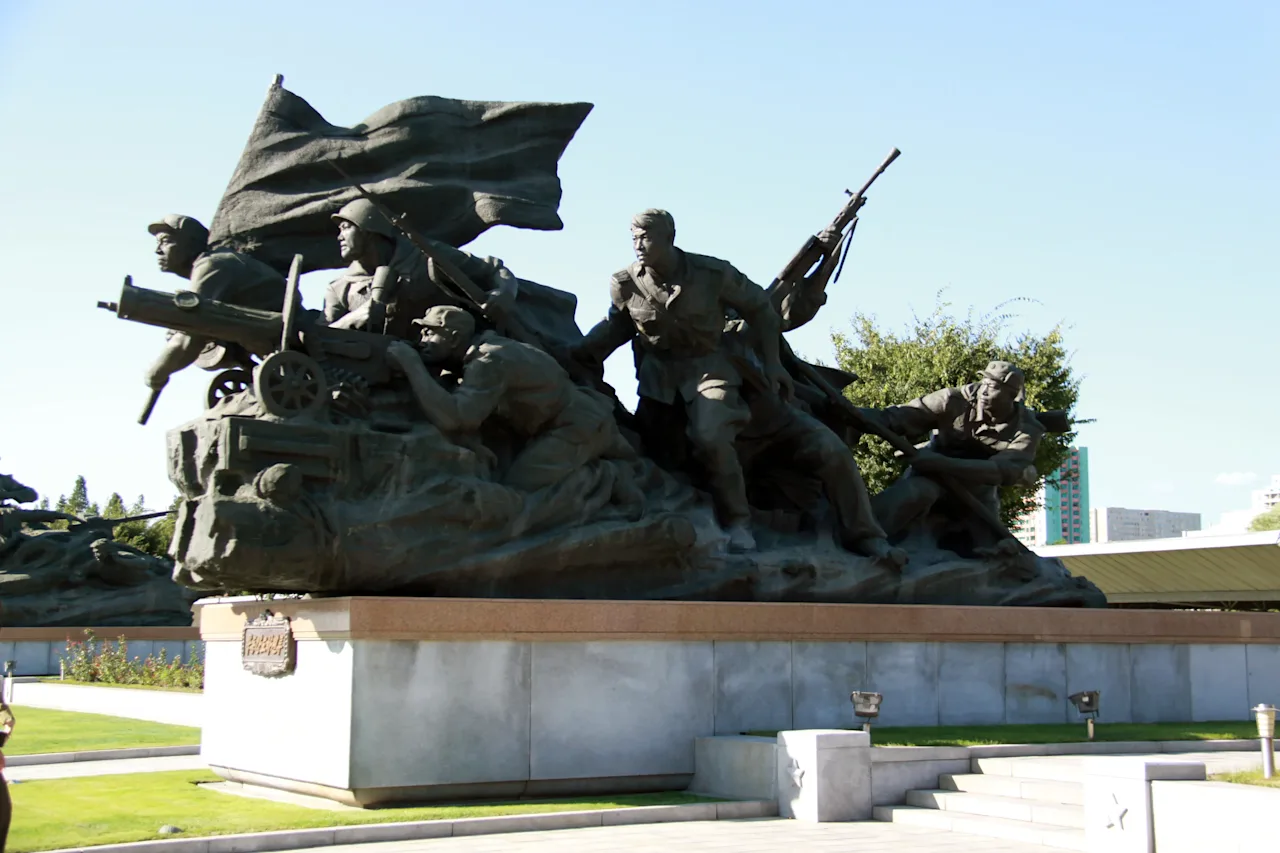
The museum itself is divided into multiple wings and exhibition halls spread across several floors. A museum guide leads all visits, walking guests through selected highlights of the enormous collection. While most tours last around two hours, the museum is so extensive that one could easily spend a full day exploring it in detail.
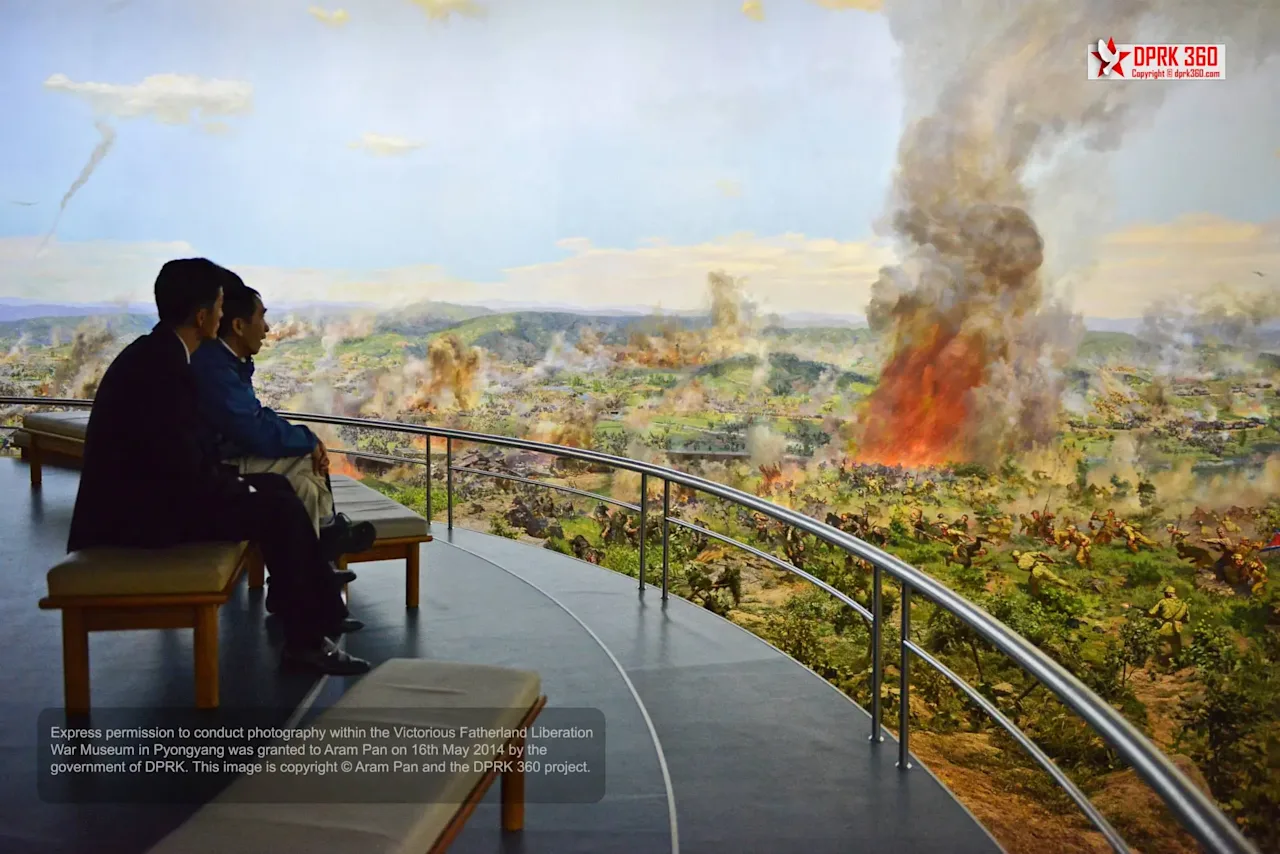
One of the highlights of the museum: a breathtaking 360-degree painting depicting the Battle of Taejon. Photo used with permission from Aram Pan (DPRK360).
Exhibits are arranged in chronological order, covering the war from its outbreak in 1950 through to the signing of the Armistice in 1953. Hallways are lined with murals, dramatic soundscapes, and propaganda artwork that present the war from the DPRK's perspective. Dioramas of key battles such as the Defense of Seoul and the Battle of Taejon are on display alongside scale models and maps showing military strategy. Several rooms are devoted to the different branches of the Korean People's Army, while others focus specifically on President Kim Il Sung's leadership, with paintings, documents, and personal items from the wartime period.
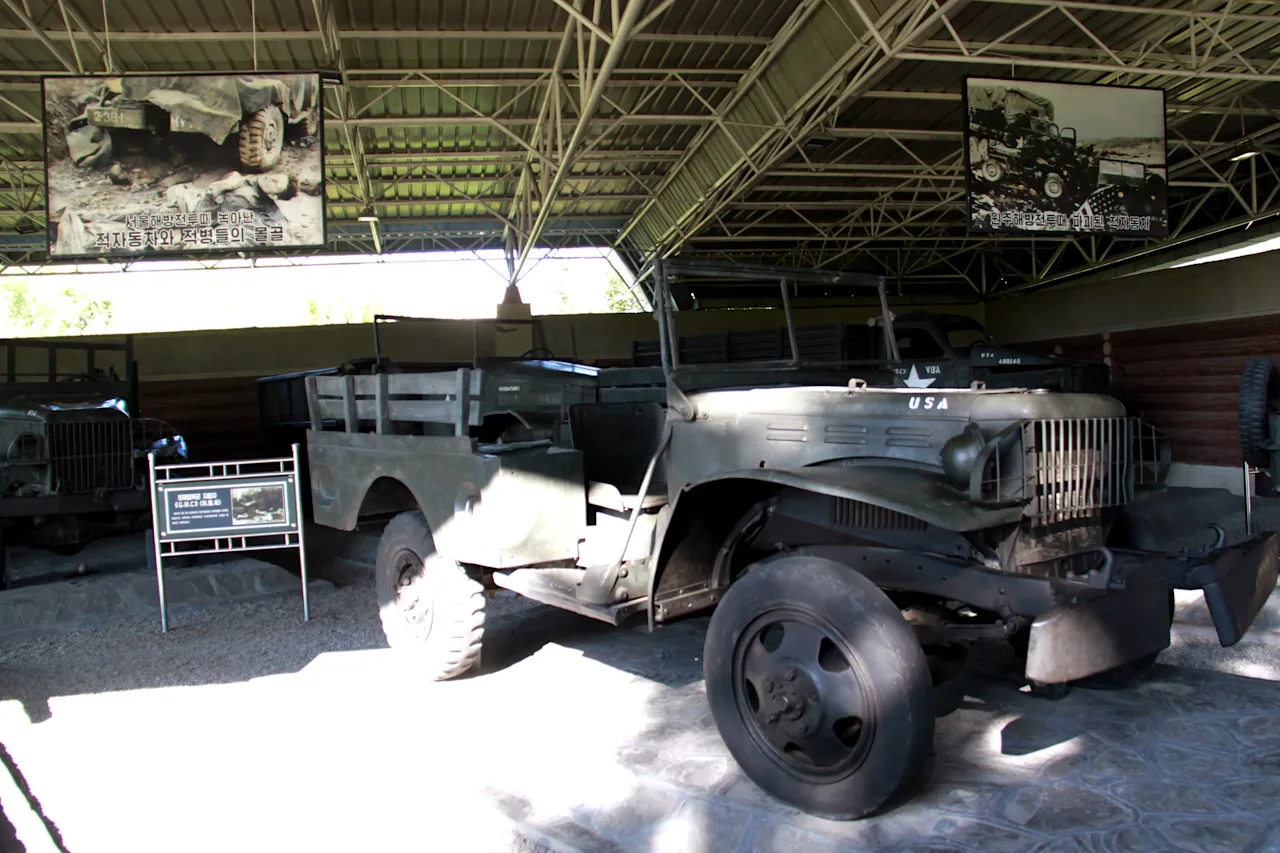
One of the most memorable sections is the Exhibition of Captured Equipment, located outside of the museum building. This open-air area showcases a collection of American military gear including tanks, artillery, aircraft wreckage, and even a seaborne drone. Nearby is the Exhibition of Hero Equipment, which highlights weapons and gear used by the Korean People's Army.
USS Pueblo
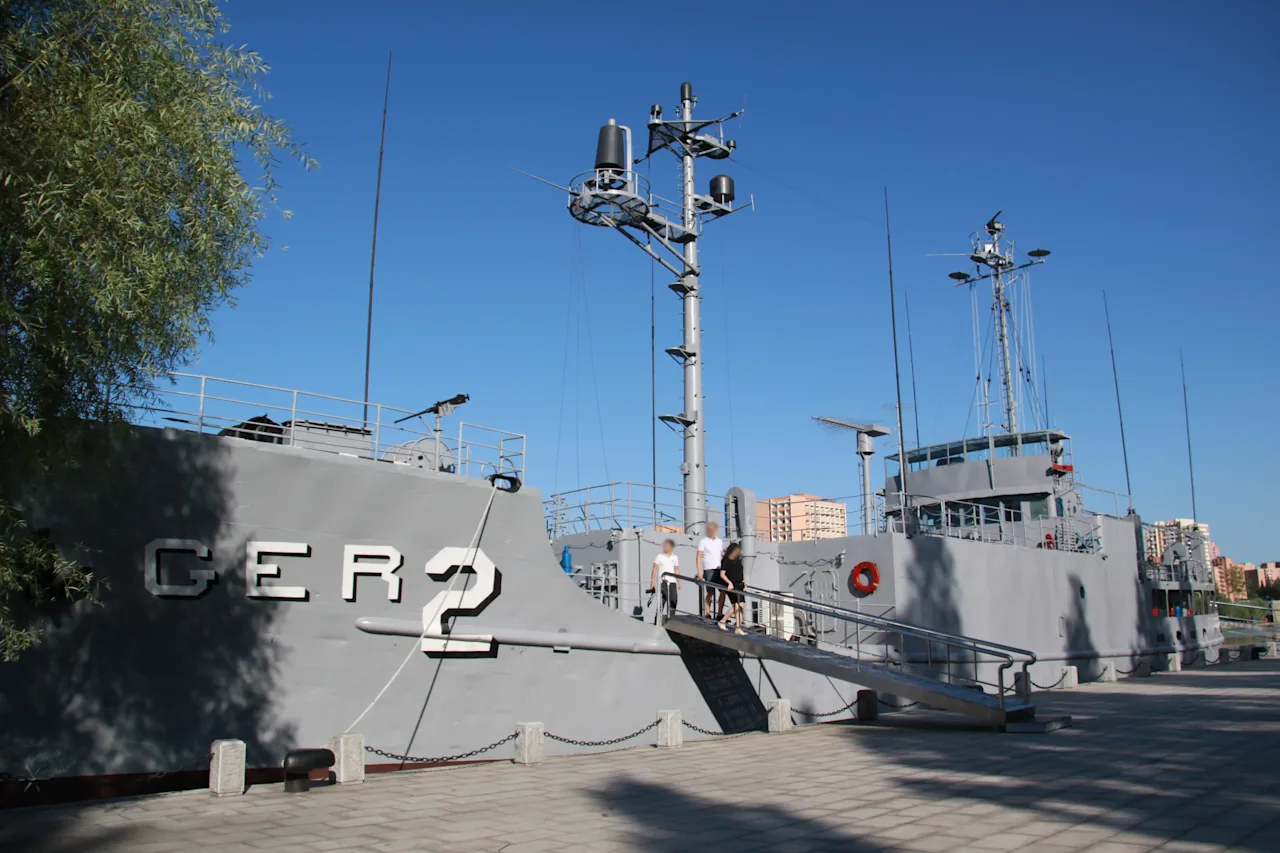
One of the most memorable parts of the museum is the USS Pueblo, a U.S. Navy spy ship that was captured by the DPRK in January 1968. The ship had been sent on an intelligence-gathering mission off the east coast when it was seized by the Korean People's Navy. Its crew of 82 sailors were held for 11 months before being released, but the ship itself was never returned.
For years, the Pueblo was displayed in Wonsan, then moved to Hungnam, before finally being relocated to the Pothong River in Pyongyang, where it is now permanently docked as part of the museum.
Interestingly, the USS Pueblo is still a commissioned vessel of the U.S. Navy, making it technically American territory under international law. That means when you step aboard during the tour, you are technically setting foot on U.S. soil!
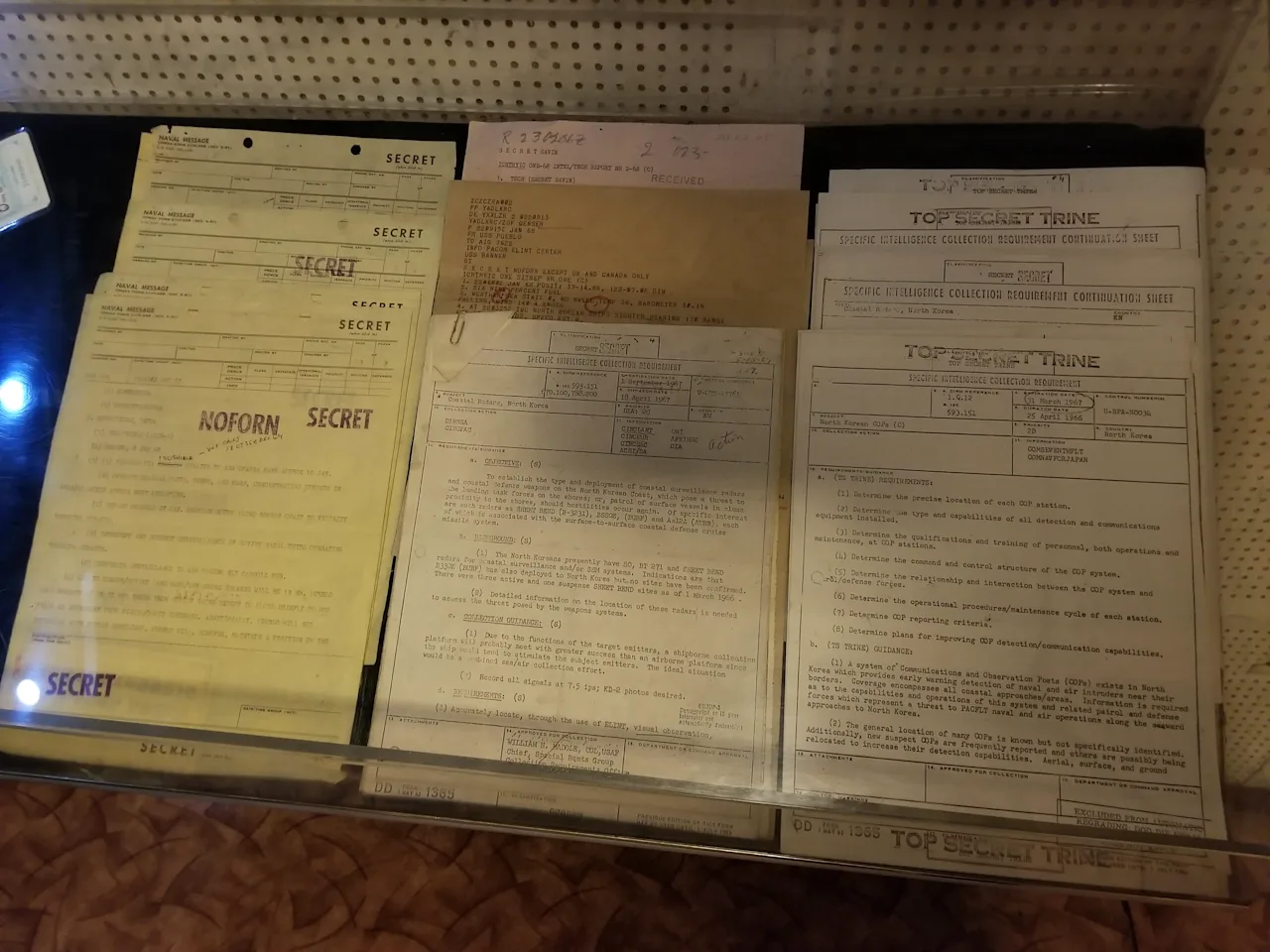
The tour takes you through different parts of the ship, including the galley, crew quarters, and the communications room, where you can see some of the original equipment and codebooks. You'll also notice bullet holes and other damage from the time of the incident. It's a fascinating stop, offering a close-up look at a real piece of Cold War history.
Photography & Conduct
Photography is not permitted inside the main museum building. However, visitors are welcome to take photos outside the museum and on the USS Pueblo. Your Taedong guide will provide clear instructions on what's allowed.
We recognize that the DPRK's account of the Korean War may differ significantly from what you've learned elsewhere. As with any conflict, each side has its own interpretation of events, shaped by its history, experiences, and national memory. The purpose of this visit is not to convince you of one version over another, but to provide an opportunity to hear the DPRK's perspective—one that is seldom presented in depth outside the country. As guests, our role is not to debate or challenge the Korean people on matters of historical interpretation, but to listen and understand that their view of the war may differ from what you've been taught.
As always, respectful behavior is expected throughout the visit.