
Frequently Asked Questions
Planning a trip to the DPRK (North Korea)? Our FAQ covers everything from visas and flights to safety and group tours.
Guide Content
Tourism Status: Temporarily Suspended
Tourism to the Democratic People's Republic of Korea (DPRK) is currently temporarily suspended.
When news of COVID-19 spread in 2020, the DPRK was the first country to completely close its borders. While limited reopening has taken place for trade and certain official activities, international tourism has not yet resumed, with the sole exception of a small number of Russian tour groups.
In early 2025, the Special Economic Zone of Rason briefly reopened to foreign visitors. However, this window closed again shortly thereafter for reasons that were not publicly announced.
Since 2020, other instances of foreigners entering the DPRK, including participants in events such as the Pyongyang Marathon or the Pyongyang International Film Festival, have taken place through business channels, official invitations, or special delegations. These limited entries do not constitute the reopening of general international tourism.
Once tourism officially resumes, full itineraries, tour dates, pricing, and all booking details will be published on our website.
We remain in regular contact with our partners in Korea and will announce the resumption of tourism as soon as it is officially confirmed. Reopening decisions are often made with limited advance notice, so we recommend subscribing to our newsletter to receive updates as soon as they become available.
Why is Taedong Tours promoting tourism on social media?
Although tourism has been suspended since 2020, we remain active online because a new generation of travelers is now becoming curious about visiting the DPRK, and many simply do not yet know how travel to the country works. We are using this time to inform and educate prospective visitors so that those who are genuinely interested are well prepared when tourism officially resumes. By engaging with people and answering common questions, we are also in a stronger position to ensure that more travelers are aware of developments as soon as tourism restarts. Our presence reflects our long-term commitment to responsible and informed travel once tourism resumes, as well as our goal of serving as a cultural bridge between the DPRK and the rest of the world.
Why choose a group tour with Taedong Tours?
We understand that many people who decide to visit the Democratic People's Republic of Korea (DPRK), commonly known as North Korea, are the adventurous type who prefer independent tourism over group tours. However, since tourism in the DPRK requires accompaniment by local guides, private tours are similar to group tours, just without other tourists, and tend to be more expensive. While private tours can certainly be arranged, group tours offer the best value by sharing costs, which helps keep travel affordable while maintaining high-quality itineraries designed to maximize your time in the country. Even if you're a seasoned solo traveler, joining a group allows you to meet like-minded people, adding depth to your journey through shared experiences. Our carefully crafted itineraries balance must-see sights with unique cultural interactions, giving you an in-depth look at the DPRK. If a group tour sounds right for you, check out our available options, or contact us to explore private tour possibilities!
How much does a tour cost?
Contrary to popular belief, there is no single standard tour. Tour prices vary depending on the length of the trip, the cities visited, and the overall itinerary. A short 3–4 day budget itinerary to Pyongyang or Rason, for example, will not cost the same as a two-week journey covering multiple regions of the country. Prior to the 2020 suspension, short tours typically fell within the upper three-figure EUR range, while 1–2 week programs generally ranged from approximately 1,400–2,800 EUR. Longer specialty programs, such as month-long language study tours, were priced accordingly. Please note that these figures are provided for historical reference only. Updated pricing will be published once tourism officially resumes and full itineraries are confirmed.
What's included in tour prices?
The price of our group tours covers round-trip rail travel between China and the DPRK, as well as all accommodation and meals in Korea. You'll also have two local Korean tour guides, a driver, and a Taedong tour leader accompanying you throughout the trip. All transportation within the DPRK and entry fees for scheduled attractions are included unless otherwise stated. If you choose to upgrade to a flight, that cost will be additional and is outlined on our tour pages. These are the standard inclusions, but specific details, such as any rare exceptions to meals or site visits, will be clearly outlined on each tour page.
Please note that guests are responsible for arranging their own travel to China in time for the start of the tour. International flights or other transportation from your country of residence to China are not included in the tour price.
Is the DPRK a safe travel destination?
Despite what you may hear, the DPRK is a safe destination for those who follow the laws and regulations of the country. This is why our tours always begin with a briefing, where we share guidelines and answer any questions or concerns you may have. To ensure a great travel experience, Taedong Tours sends one of our team members on every tour to address the needs and concerns for travelers throughout their trip. Tourism is welcomed in the DPRK, and locals are generally friendly and accommodating, especially when visitors show respect for their culture.
That said, it is important to be aware of the country's strict laws, particularly regarding lèse-majesté. Violating these laws can have severe consequences, so it's crucial to understand and respect them. We arrange tours for travelers holding passports from most countries, but we recommend checking your home country's travel advice and contacting the appropriate embassies or consulates for up-to-date guidance before planning your trip. While in the country, our experienced guides stay connected with local authorities and can assist with international communication if necessary, ensuring you have a smooth and safe journey.
How do I get a visa for the DPRK?
While the DPRK remains one of the least accessible countries in the world, obtaining a visa through Taedong Tours is a simple and hassle-free process. We handle the application as part of your tour booking, so you won't have to navigate the paperwork yourself.
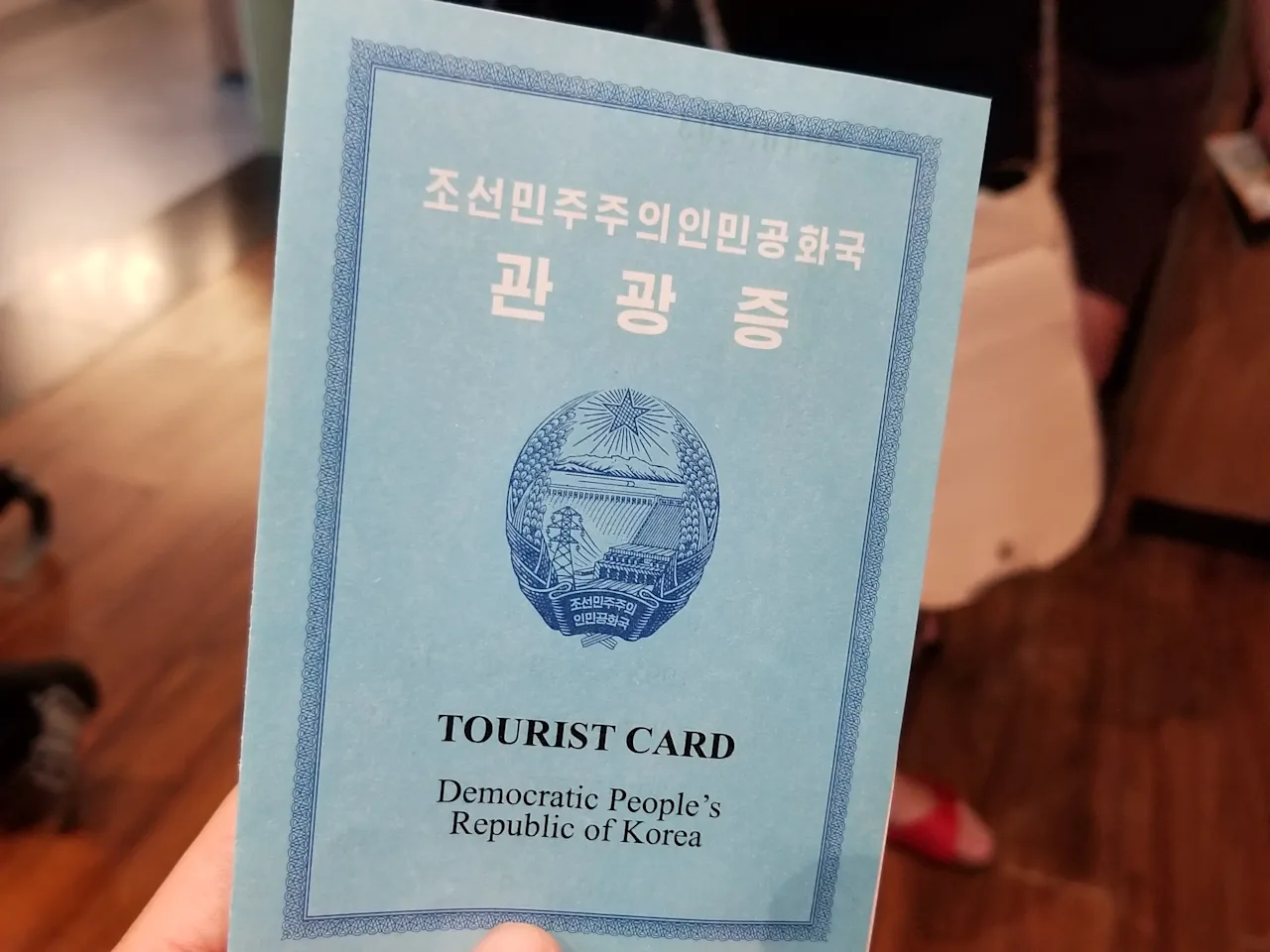
Your DPRK visa is issued on a separate document rather than being attached to your passport, so there's no need to send us your physical passport. Before you enter the DPRK, your Taedong guide will personally hand you your visa at our pre-tour briefing in China, ensuring a smooth and seamless entry.
How do I get to the DPRK?
Since train tickets and flights to the DPRK cannot be purchased by individuals, all of our tours begin and end in China. Your tour package includes a train journey between China and the DPRK, usually with the option to upgrade either or both legs of the trip to a flight.
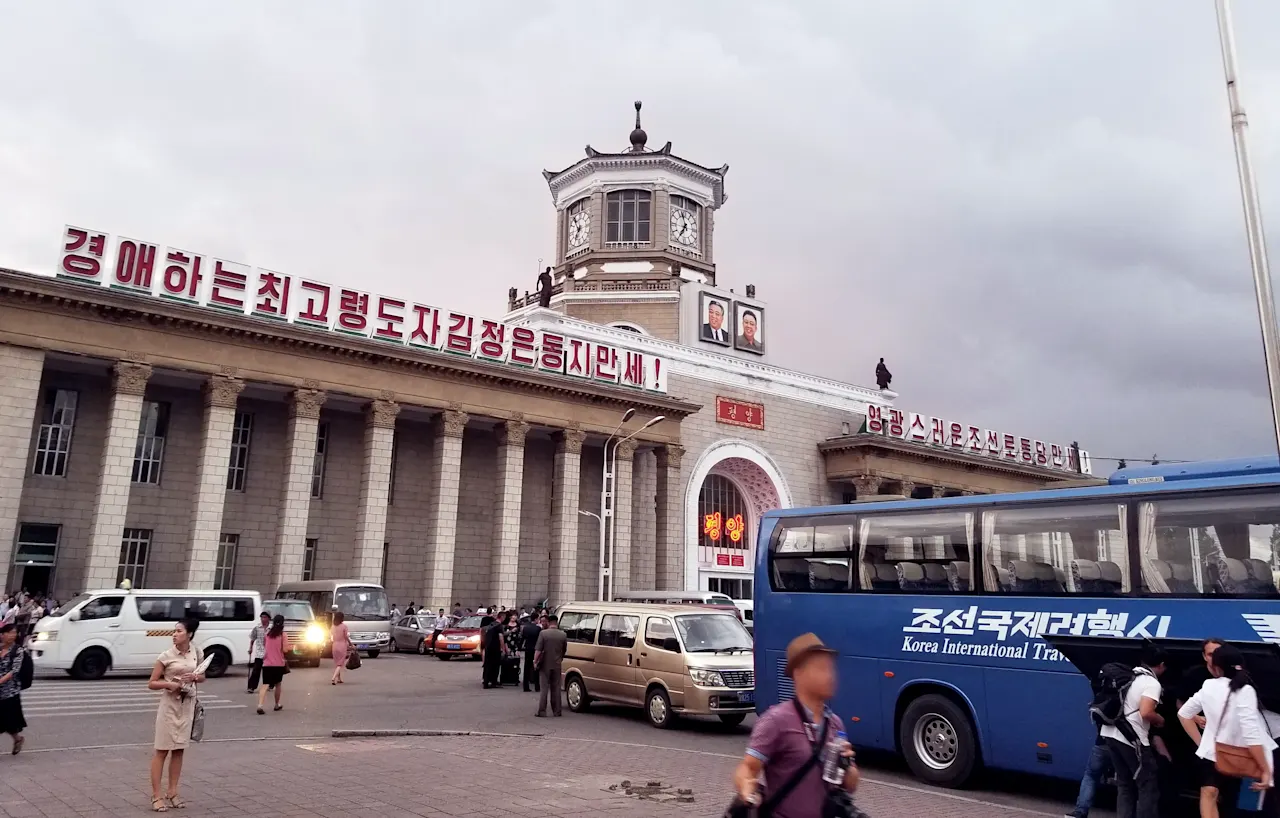
All you need to do is ensure you have a valid multiple-entry visa for China or qualify for visa-free entry, then meet us in China for the pre-tour briefing before we begin your journey.
Who can visit the DPRK?
The only travelers explicitly restricted by Pyongyang from visiting the DPRK as tourists are citizens of the Republic of Korea (ROK). ROK law also prohibits its citizens from visiting the DPRK without government authorization, regardless of whether they hold additional passports.
In addition, the United States issued a ban in 2017 prohibiting travel to the DPRK on a US passport. However, US citizens who are dual citizens may travel to the DPRK using their non-US passport, provided it is not a South Korean or Malaysian passport.
Like the US, Malaysia imposed a travel ban on visits to the DPRK in 2017. As a result, we are unable to facilitate travel for Malaysian passport holders.
All other passport holders are legally permitted to travel to the DPRK as tourists.
If you are of Korean heritage but are not an ROK citizen, or if you are currently or formerly based in South Korea as an foreign resident, you may travel to the DPRK without issue. If you are unsure about your eligibility, feel free to contact us and we will be happy to advise on your specific situation.
Can Americans visit the DPRK?
Due to a travel ban imposed by the US State Department in 2017, US passport holders are currently prohibited from traveling to the DPRK.
However, dual citizens may visit using their non-US passport, as long as it is not a South Korean or Malaysian passport. US permanent residents with passports from eligible countries are also permitted to travel. If you're unsure about your eligibility, feel free to contact us for clarification.
We look forward to helping our American friends visit the DPRK as soon as the travel ban is lifted.
What if I have different opinions from local guides in the DPRK?
It's natural to have differing opinions, and your Korean guides won't try to change your beliefs. However, open political debates are not advisable, as discussions about sensitive topics can be uncomfortable or unproductive.
That being said, we definitely encourage curiosity; feel free to ask respectful questions, and your guides will answer within the scope of what they are comfortable discussing. If a question is too sensitive, they'll usually steer the conversation elsewhere. If you want deeper insights, our Taedong Tours staff, with years of experience in the country, can provide additional context.
Rather than relying solely on books and documentaries, visiting the DPRK gives you a rare opportunity to observe the country firsthand and hear directly from the people who live there.
Is it ethical to visit the DPRK? Does my money support the government?
A common concern about visiting the DPRK is whether tourism funds the government or its policies. In reality, the impact of tourism on the country's economy is quite small. With only a few thousand foreign visitors per year, tourism is not a significant revenue source. When international travel was suspended due to COVID-19 and previous health scares, the DPRK quickly closed its borders, showing that tourism is not essential to its economic survival.
More importantly, the money spent on tours primarily goes toward local services: supporting Korean tour guides, drivers, hotels, restaurants, and other service staff. This means your visit directly benefits the people working in the tourism industry and their families.
Beyond the economic aspect, tourism also fosters human interaction. In a country where most people have little direct contact with foreigners, the opportunity to meet and engage with visitors provides a rare exchange of perspectives. Likewise, travelers gain firsthand insight into everyday life in the DPRK—something that goes beyond media portrayals and political narratives.
Travel, at its core, is about broadening understanding. While interactions in the DPRK may be more structured than in other countries, they still offer meaningful glimpses into local life, culture, and perspectives.
Will visiting the DPRK affect my ability to travel to other countries?
Visiting the DPRK will not impact your ability to travel to other countries, as your passport will not be stamped upon entry or exit from the country. However, if you plan to visit the United States afterward, you will no longer be eligible for the ESTA visa waiver program and will need to apply for a standard visa through the US embassy or consulate.
For other destinations, including South Korea, your visit to the DPRK will not cause any issues, and you can travel as usual.
I've been to South Korea. Can I still visit the DPRK?
Yes, having South Korean visas or entry/exit stamps in your passport will not prevent you from entering the DPRK. You can also travel to the DPRK even if you currently reside in South Korea as a foreign permanent resident, or on a work or student visa.
What if I do not enjoy group tours?
If our group tours don't align with your schedule or preferences, we can arrange a private tour just for you. Whether you're traveling solo, with a partner, friends, or family, we offer flexible options tailored to your needs. On your private tour, you'll have two local Korean guides (available in multiple languages such as French, Spanish, German, Italian, Russian, Chinese, Japanese, Arabic, and more), as well as your own driver and vehicle to ensure a personalized and comfortable experience.
Can I visit places outside of Pyongyang?
The DPRK is home to 28 cities, 9 provinces, and a Special Economic Zone. While many areas are not yet open to tourists, we're actively working to open more regions for exploration. Currently, over a dozen cities are open for foreign visitors, and within these cities, you can find a variety of counties and scenic locations to explore.
Can I explore the DPRK unaccompanied by guides?
No, independent exploration is not permitted for tourists—you must be accompanied by your local guides at all times. However, this structured experience provides a unique perspective on the country. While staying at your hotel, you're free to explore within the premises, and you can always invite your guides for a drink or conversation. If there's a particular place you'd like to visit outside the itinerary, feel free to ask your Taedong guide or your local Korean guides, though some requests may not be possible due to regulations or other constraints.
Can I bring my smartphone, tablet, e-reader, laptop, or other electronics to the DPRK?
Like any border crossing, DPRK customs officials reserve the right to inspect your belongings, including electronics and memory cards. You are allowed to bring laptops, tablets, smartphones, e-readers, and MP3 players on your trip to the DPRK. However, please note that internet access is generally not available within the country.
Dedicated GPS devices are not permitted, but devices with built-in GPS, such as smartphones, cameras, and smartwatches, are allowed. Satellite phones, drones, and any material deemed offensive to the leadership or the country—such as anti-DPRK publications or pornography—are strictly prohibited.
Can I take photos or videos in the DPRK?
You're welcome to take photos in most areas of the DPRK, but there are restrictions. Photography of military personnel, military facilities, and construction sites is prohibited. If you visit the DMZ, you're allowed to take photos of the soldiers at the Joint Security Area. Your Taedong and local Korean guides will provide guidance on where you can and can't take photos, so be sure to follow their instructions carefully.
Both digital and film cameras are allowed in the country, but professional video cameras are not permitted. If you have a DSLR or mirrorless camera, lenses should be no larger than 250mm. External GPS attachments for cameras are not allowed, but built-in GPS features are fine.
Can I Share Photos or Write About My Trip to the DPRK?
Absolutely! We encourage travelers to share their experiences on social media platforms like Instagram, X (Twitter), and TikTok. Taking and posting photos and videos is generally allowed, and posting about your trip is usually not an issue. Specific guidelines are outlined in our DPRK Travel Agreement, which you'll review during the booking process. If you write about your trip, we'd love to read it! Feel free to share your blog with us, and if you're open to it, we may feature it on our platforms to help more people discover your story. We also appreciate any feedback you'd like to leave about your experience.
What Currency Should I Bring to the DPRK?
We recommend bringing Chinese Yuan (RMB) for the most convenient experience.
The local currency is typically unavailable for use by foreign visitors, so transactions must be made in RMB, Euros, or US Dollars. RMB is the most widely accepted and preferred by locals, making it easier to receive change. While Euros and US Dollars are also accepted, change is often given in RMB.
Keep in mind that the DPRK does not accept coins of any currency, and banknotes must be clean and in good condition. Torn, faded, or worn bills may not be accepted.
There are no ATMs, Western Union, or credit card services in the DPRK. The cash you bring is the only money you will have for your entire trip, so plan accordingly.
How Much Spending Money Should I Bring to the DPRK?
The amount of cash to bring depends on your personal spending habits, especially when it comes to drinks and souvenirs. Most expenses, such as meals and transportation, are already covered in your tour price, but many travelers find themselves spending more than expected on drinks, gifts, and evening activities like karaoke or billiards.

Here’s a rough guide to prices in the DPRK:
- A draft beer at the hotel bar: ~15 RMB
- Soft drinks: ~10 RMB
- Bottled water: ~2 RMB (still) / ~7 RMB (sparkling)
- Cigarettes: starting at 5 RMB per pack
- Books: 10-35 RMB for pamphlets, ~40 RMB for paperbacks, and up to 400 RMB for hardcover pictorials
- Original artwork: 250-1000+ RMB
- Postcards: ~5 RMB each, international stamps ~10 RMB each
Since ATMs and credit cards don’t work in the DPRK, bring more than you think you'll need to avoid running out of cash.
Tipping your local Korean guides at the end of the tour is also customary and appreciated, so it’s a good idea to set aside extra money for that.
Is There a Dress Code for Visiting the DPRK?
For most of your trip, there are no strict dress codes, and you're free to wear what you're comfortable in. However, there are specific dress requirements for two important sites:
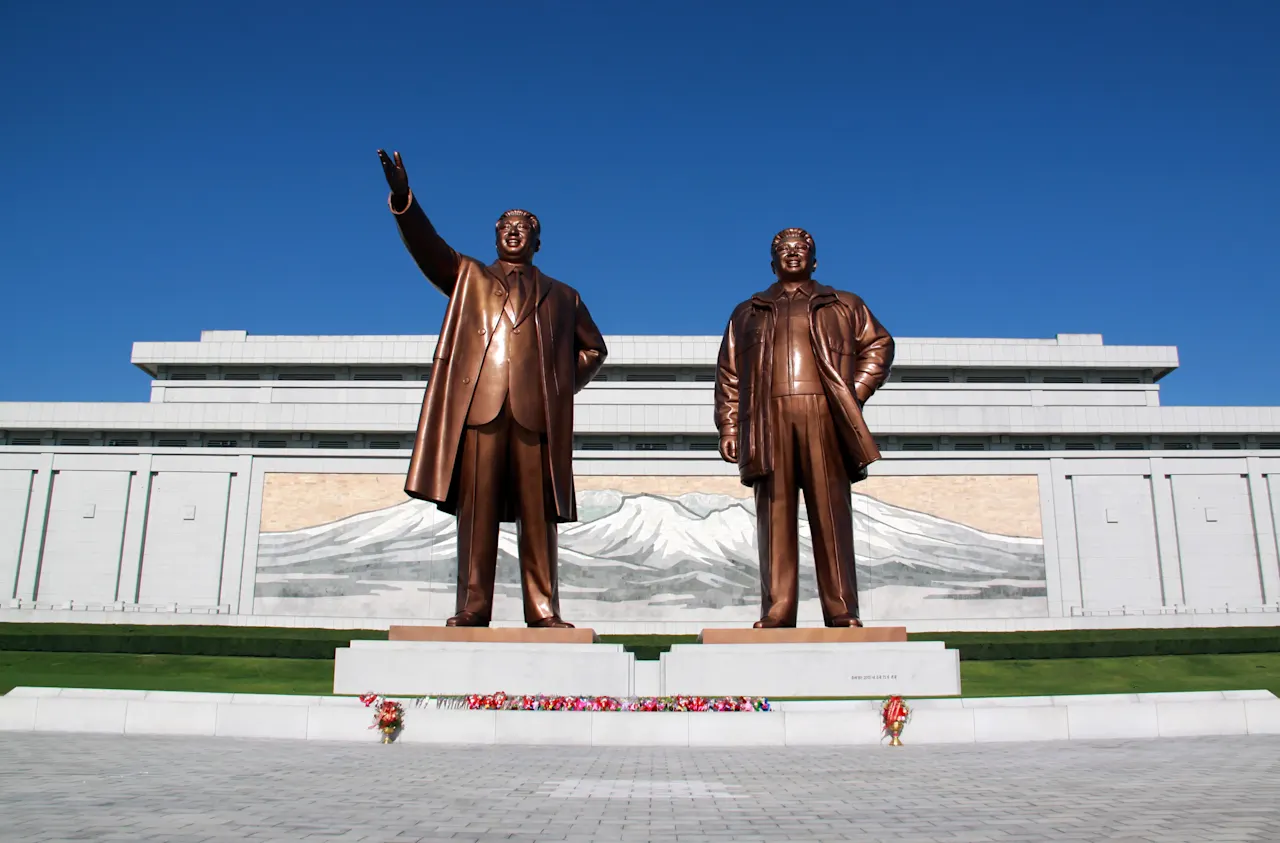
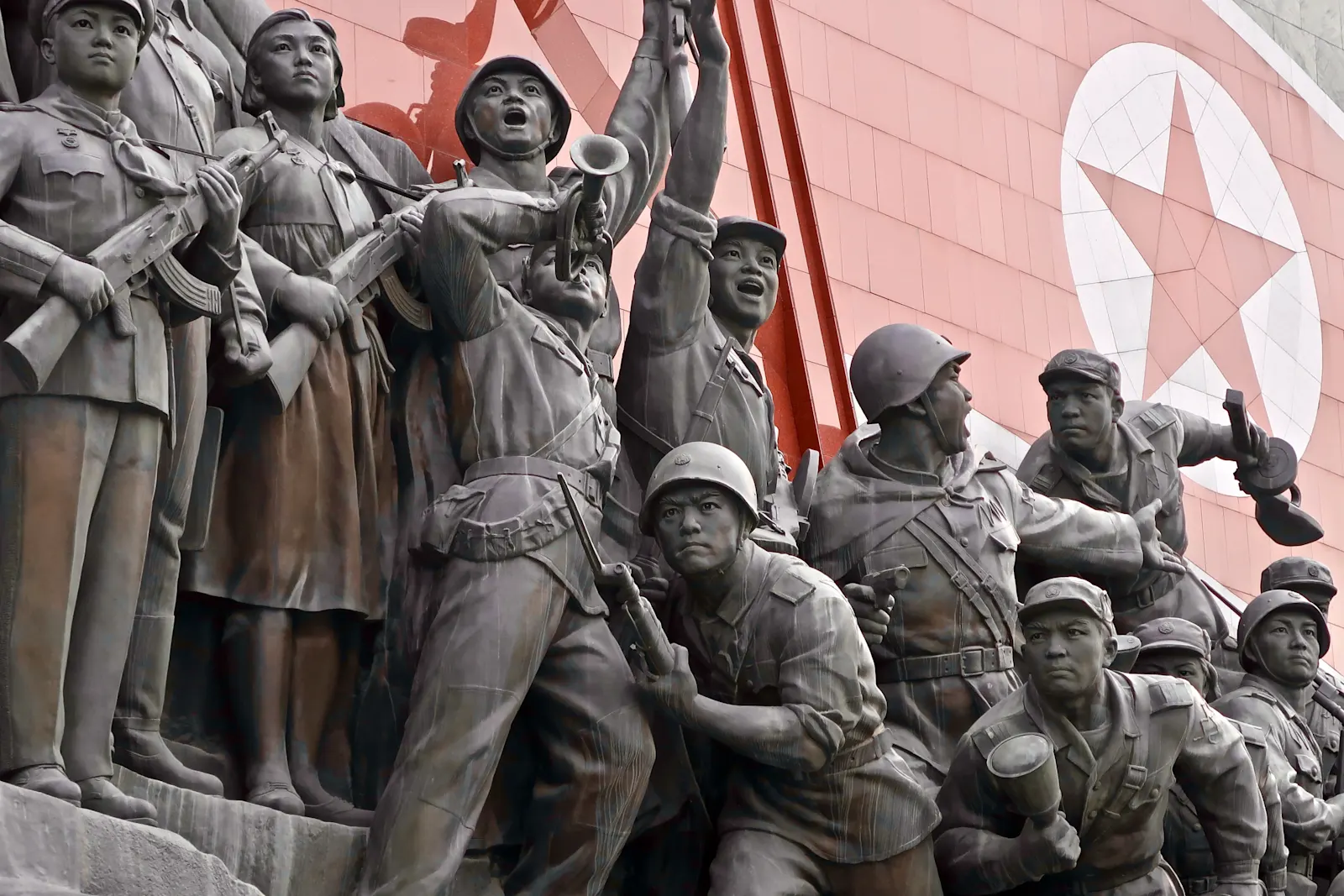
Mansudae Grand Monument (Bronze statues of the leaders)
- Men: Long pants and closed-toe shoes are required.
- Women: Long pants or a skirt/dress that covers the knees. Open-toe dress shoes, sneakers, or regular shoes are acceptable.
- Not Allowed: Jeans, ripped pants, shorts, sandals, or flip-flops.
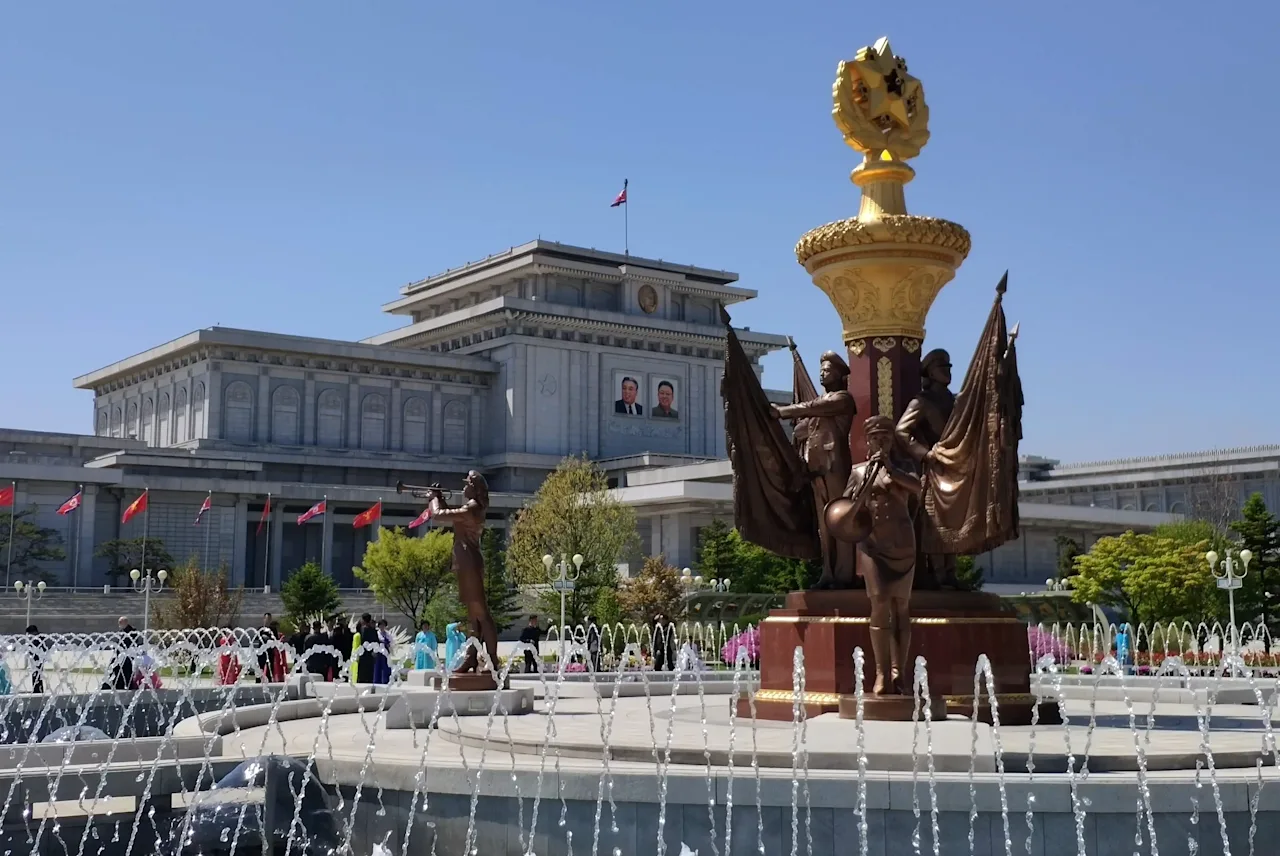
Kumsusan Palace of the Sun (Resting place of President Kim Il Sung & General Kim Jong Il)
- Men & Women: You'll need to wear formal or smart-casual clothing. This includes a suit or dress shirt with long pants for men, and a modest dress or skirt for women. Clean sneakers or dress shoes are acceptable.
- Not Allowed: Jeans, ripped pants, shorts, sandals, or flip-flops.
If you're planning to visit these sites, make sure you pack the appropriate attire. Other than that, there are no restrictions on tattoos, piercings, facial hair, or religious clothing like hijabs or niqabs.
Do I Need a Visa for China?
If you're traveling to or from the DPRK by train through China, you'll need a Chinese entry visa in your passport, unless you're eligible for visa-free entry. Keep in mind that if you require a visa, it must be a multiple-entry visa, as you'll be entering China twice: once before visiting the DPRK and again at the end of your trip.
While China does offer a 144-hour transit visa for certain passport holders, it's only valid for flights, not rail travel between China and the DPRK. The rules for this transit visa are specific, so we recommend reviewing the policy carefully.
Guests from Hong Kong, Macau, and Taiwan must ensure they have a valid Mainland Travel Permit (回鄉證/台胞證).
If you have any questions or need help understanding your options, feel free to reach out to us.
Can my dietary restrictions be accommodated?
The restaurants included in our tours can accommodate vegetarians, vegans, and other dietary needs. However, we recommend bringing along some of your preferred snacks from home, just in case you find yourself craving something specific or if suitable options aren't available during the trip.
Does China or the DPRK require vaccinations?
No, there are no mandatory vaccinations for traveling to China and the DPRK.
What happens if I get sick in the DPRK?
The DPRK is still a developing country, so be aware that some restrooms may be unhygienic or lack soap. We strongly recommend bringing a small bottle of hand sanitizer and packets of tissues as a backup for toilet paper.
While we visit restaurants that follow safe food handling practices, if you're unsure about any food, it's best to skip it. The last thing you want is to miss out on sightseeing due to illness. Although we take precautions, food poisoning can still happen. To be safe, bring anti-diarrheal medications like Imodium and Gastrolytes for emergencies. It's also wise to pack basic painkillers, as medicine can be hard to find in the DPRK. If you take any regular medications, make sure to bring enough for the duration of your trip.
Feminine hygiene products can be scarce, so women should come prepared.
Bringing prescribed medications or any medical devices you need is perfectly fine.
Pyongyang has a hospital that treats foreign visitors. If you need urgent medical care, notify your Taedong guide, and he or she will arrange transport to the hospital. Please note, Taedong is not responsible for any medical expenses. Travel insurance is mandatory for all travelers per our policies, but it's not included in the tour cost. We can help arrange your travel insurance for the DPRK if needed.
Why are your tours to the DPRK operated by local partners?
The DPRK tour industry operates in a highly structured and regulated manner, making it extremely difficult for foreigners to book directly with local companies, which are generally not in a position to handle direct bookings from international clients. As such, we collaborate with trusted local companies to facilitate the logistics and operations of the tours.
This is the standard model for all companies that sell tours to the DPRK. However, this does not mean our tours are the same as those sold by other operators. While many companies design their tours with local partners based on their own business models, we work closely with our partners to create unique itineraries that align with our vision. To ensure our clients receive the best experience possible, we send a Taedong guide with every group tour. This allows us to provide a Taedong Tours experience, ensuring that our customers have the most enriching journey possible.
Still have questions?
Feel free to shoot us an email. We've spent years on the ground in the DPRK and can answer just about anything you throw at us. And if we don't have the answer right away, we'll get it for you at Chollima speed!